Two existing types of drugs synergize to improve the clearing of mucus from the lungs of animals with cystic fibrosis, a Stanford Medicine research team has found. The findings are published in the June 2026 issue of the Journal of Clinical Investigation. If replicated in humans, the discovery may provide a way to reduce chronic lung infections in people with cystic fibrosis.
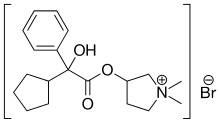
Methacholine
"I really hope this discovery can help CF patients," said lead author Nam Soo Joo, Ph.D., a senior research scientist at Stanford Medicine. "If these drugs improve mucociliary clearance in people as much as they do in our animal models, we expect this to help remove pathogens from the lungs and reduce patients' airway infections."
The study's senior author is Carlos Milla, MD, a professor of pediatrics at Stanford Medicine and a pulmonologist who treats children with CF at Stanford Medicine Children's Health.
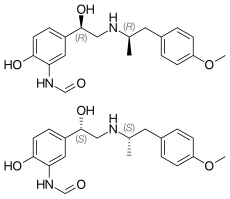
The research team showed that the drug combination—a beta adrenergic agonist, formoterol, and a low-dose cholinergic agonist, methacholine—was safe and well-tolerated in a small group of people, including individuals with CF and healthy volunteers. The drugs are already approved by the U.S. Food and Drug Administration for other uses, and the scientists are now planning a trial of the combination's effectiveness in CF patients.
The finding could be especially beneficial for the 10% to 20% of CF patients who do not respond to targeted medications for cystic fibrosis known as CFTR (cystic fibrosis transmembrane conductance regulator) modulators, Joo noted.
The synergistic medications may also help people with other respiratory conditions, such as chronic obstructive pulmonary disease or bronchiectasis, a chronic lung disease characterized by severe airway scarring, he added.
Cystic fibrosis is a relatively common genetic disease, affecting 1 in every 3,000 to 4,000 babies born in the United States. Patients have mutations in the cystic fibrosis transmembrane conductance regulator gene. In healthy people, the CFTR gene encodes protein channels that let chloride and bicarbonate ions cross cell membranes. But in CF patients, the channels malfunction, causing the lungs and digestive system to produce thick mucus. This sticky mucus harbors bacteria and makes CF patients vulnerable to chronic lung infections.
Drugs called CFTR modulators that restore the chloride channels' function have improved the lives of many CF patients by allowing their bodies to manufacture normal mucus. But up to 20% of patients' gene mutations are incompatible with CFTR modulator drugs, meaning the medications don't help.
That's why Joo's team was excited to find a different approach to the mucus problem.
A fortuitous finding
The researchers' discovery was an accident. They were studying whether various drugs could speed mucociliary clearance, in which the cilia, hairlike projections that line the passages into the lungs, beat in a coordinated way to move mucus and bits of foreign matter, such as bacteria or dust, out of the airways. The process keeps the lungs healthy.
During drug tests on tissue in a dish, the researchers used a combination of a beta adrenergic agonist and a cholinergic agonist to check that the tissues were viable. (Each of the two medication categories includes several drugs; at first, the researchers were not using drugs approved for use in people.) To the scientists' surprise, the drug combination—intended only as an experimental control—sped up mucociliary clearance.
Joo discussed this unexpected observation with study co-author Jeffrey Wine, Ph.D., an emeritus professor of psychology and of human biology.
"Jeff said, 'Do you think this may work in CF?'" Joo recalled. "I said, 'Well, probably not.'"
The combination seemed unpromising because people with CF are already known to have an abnormal response to beta adrenergic agonists. Meanwhile, cholinergic agonists administered alone cause people's airways to constrict in an asthma-like manner, which presents a safety concern.
A counterintuitive result
Even though they suspected the drug combination would fail, Joo's team tested it, first in airway tissue samples from a ferret model of CF, then in tissue and live animals including ferrets, rats, sheep, and pigs with pharmacologically induced or genetic CF.
In the new study, the researchers used formoterol and methacholine, which are a beta adrenergic agonist and a cholinergic agonist, respectively. The scientists chose these specific drugs because they are already approved by the FDA for use as inhaled medications.
Each drug caused a small increase in mucociliary clearance when given alone, but together their effects were far more pronounced. For instance, in rats with CF, the drug combination increased the animals' mucociliary clearance velocity to about 80% of that seen in healthy rats.
Follow-up experiments on tracheal tissue showed that the drugs given together increase fluid secretion, inhibit absorption of fluid, and raise the pH of the secreted fluid. These changes make the mucus less viscous and more mobile.
Furthermore, the researchers showed that when the drug combination was given to ferrets with CF that were also receiving a CFTR modulator drug, the animals could clear mucus more easily than when they received only the CFTR modulator, suggesting that the drug combination may benefit all CF patients.
In a small safety test in humans, as expected, methacholine caused airway constriction when given alone. But the two drugs in combination did not.
The results are exciting both for their implications for cystic fibrosis and for patients with other lung conditions, Joo said.
"Patients with other respiratory disorders like chronic obstructive pulmonary disease or bronchiectasis also have mucociliary clearance impairment, but compared with CF, it's mild," he said. "If we use this drug in other airway diseases, it may improve those patients as well, but we still require large-scale clinical trials to know the optimal combination and concentrations of these drugs."