Showing posts sorted by date for query Formoterol. Sort by relevance Show all posts

Saturday, October 24, 2026

Drug duo synergy may help cystic fibrosis patients clear lung mucus, animal tests suggest

Two existing types of drugs synergize to improve the clearing of mucus from the lungs of animals with cystic fibrosis, a Stanford Medicine research team has found. The findings are published in the June 2026 issue of the Journal of Clinical Investigation. If replicated in humans, the discovery may provide a way to reduce chronic lung infections in people with cystic fibrosis.

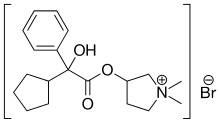
Methacholine

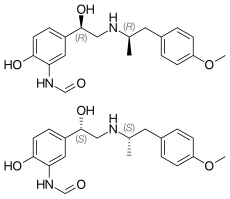
Formoterol


"I really hope this discovery can help CF patients," said lead author Nam Soo Joo, Ph.D., a senior research scientist at Stanford Medicine. "If these drugs improve mucociliary clearance in people as much as they do in our animal models, we expect this to help remove pathogens from the lungs and reduce patients' airway infections."

The study's senior author is Carlos Milla, MD, a professor of pediatrics at Stanford Medicine and a pulmonologist who treats children with CF at Stanford Medicine Children's Health.

The research team showed that the drug combination—a beta adrenergic agonist, formoterol, and a low-dose cholinergic agonist, methacholine—was safe and well-tolerated in a small group of people, including individuals with CF and healthy volunteers. The drugs are already approved by the U.S. Food and Drug Administration for other uses, and the scientists are now planning a trial of the combination's effectiveness in CF patients.

The finding could be especially beneficial for the 10% to 20% of CF patients who do not respond to targeted medications for cystic fibrosis known as CFTR (cystic fibrosis transmembrane conductance regulator) modulators, Joo noted.

The synergistic medications may also help people with other respiratory conditions, such as chronic obstructive pulmonary disease or bronchiectasis, a chronic lung disease characterized by severe airway scarring, he added.

Cystic fibrosis is a relatively common genetic disease, affecting 1 in every 3,000 to 4,000 babies born in the United States. Patients have mutations in the cystic fibrosis transmembrane conductance regulator gene. In healthy people, the CFTR gene encodes protein channels that let chloride and bicarbonate ions cross cell membranes. But in CF patients, the channels malfunction, causing the lungs and digestive system to produce thick mucus. This sticky mucus harbors bacteria and makes CF patients vulnerable to chronic lung infections.

Drugs called CFTR modulators that restore the chloride channels' function have improved the lives of many CF patients by allowing their bodies to manufacture normal mucus. But up to 20% of patients' gene mutations are incompatible with CFTR modulator drugs, meaning the medications don't help.

That's why Joo's team was excited to find a different approach to the mucus problem.

A fortuitous finding

The researchers' discovery was an accident. They were studying whether various drugs could speed mucociliary clearance, in which the cilia, hairlike projections that line the passages into the lungs, beat in a coordinated way to move mucus and bits of foreign matter, such as bacteria or dust, out of the airways. The process keeps the lungs healthy.

During drug tests on tissue in a dish, the researchers used a combination of a beta adrenergic agonist and a cholinergic agonist to check that the tissues were viable. (Each of the two medication categories includes several drugs; at first, the researchers were not using drugs approved for use in people.) To the scientists' surprise, the drug combination—intended only as an experimental control—sped up mucociliary clearance.

Joo discussed this unexpected observation with study co-author Jeffrey Wine, Ph.D., an emeritus professor of psychology and of human biology.

"Jeff said, 'Do you think this may work in CF?'" Joo recalled. "I said, 'Well, probably not.'"

The combination seemed unpromising because people with CF are already known to have an abnormal response to beta adrenergic agonists. Meanwhile, cholinergic agonists administered alone cause people's airways to constrict in an asthma-like manner, which presents a safety concern.

A counterintuitive result

Even though they suspected the drug combination would fail, Joo's team tested it, first in airway tissue samples from a ferret model of CF, then in tissue and live animals including ferrets, rats, sheep, and pigs with pharmacologically induced or genetic CF.

In the new study, the researchers used formoterol and methacholine, which are a beta adrenergic agonist and a cholinergic agonist, respectively. The scientists chose these specific drugs because they are already approved by the FDA for use as inhaled medications.

Each drug caused a small increase in mucociliary clearance when given alone, but together their effects were far more pronounced. For instance, in rats with CF, the drug combination increased the animals' mucociliary clearance velocity to about 80% of that seen in healthy rats.

Follow-up experiments on tracheal tissue showed that the drugs given together increase fluid secretion, inhibit absorption of fluid, and raise the pH of the secreted fluid. These changes make the mucus less viscous and more mobile.

Furthermore, the researchers showed that when the drug combination was given to ferrets with CF that were also receiving a CFTR modulator drug, the animals could clear mucus more easily than when they received only the CFTR modulator, suggesting that the drug combination may benefit all CF patients.

In a small safety test in humans, as expected, methacholine caused airway constriction when given alone. But the two drugs in combination did not.

The results are exciting both for their implications for cystic fibrosis and for patients with other lung conditions, Joo said.

"Patients with other respiratory disorders like chronic obstructive pulmonary disease or bronchiectasis also have mucociliary clearance impairment, but compared with CF, it's mild," he said. "If we use this drug in other airway diseases, it may improve those patients as well, but we still require large-scale clinical trials to know the optimal combination and concentrations of these drugs."

https://en.wikipedia.org/wiki/Methacholine
https://en.wikipedia.org/wiki/Formoterol

Drug duo synergy may help cystic fibrosis patients clear lung mucus, animal tests suggest

Monday, October 12, 2026

FDA Approves Trimbow (beclomethasone/formoterol/glycopyrrolate) Inhaler for the Maintenance Treatment of Asthma

Chiesi USA, Inc. (key-A-zee), a global biopharmaceutical company,   announced   the U.S. Food and Drug Administration   approval of  Trimbow (beclomethasone dipropionate/formoterol fumarate/glycopyrrolate; or BDP/FF/G; 86 mcg/4.9 mcg/10.6 mcg and 172 mcg/4.9 mcg/10.6 mcg) for the maintenance treatment of asthma in adults. Trimbow delivers three active ingredients in a single device, referred to as a single inhaler triple therapy (SITT), presenting an option for adults whose asthma may require more than one inhaled medicine for daily maintenance treatment. Trimbow was the first treatment approved in the single inhaler triple therapy class outside of the U.S. and is commercialized in nearly 50 countries, including those within the European Union, the United Kingdom, and China.

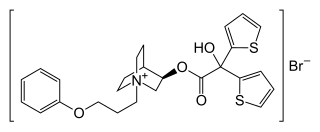
                                                      Glycopyrrolate


Trimbow (beclomethasone dipropionate/formoterol fumarate/glycopyrrolate; or BDP/FF/G) is the first U.S. FDA-approved product from Chiesi’s respiratory portfolio, bringing with it more than four decades of global expertise in respiratory leadership.

Formoterol
Beclometasone or beclomethasone


Approval was supported by Phase 3 TRIMARAN and TRIGGER studies, which included lung function as a co-primary endpoint in adults with asthma,1 building on its long-standing use as the first therapy in its class approved outside the U.S.
Approximately 27 million people in the U.S. live with asthma, which remains a significant burden to patients, caregivers, and society.2 Roughly 50% to 91% of people across all asthma disease severities show evidence of Small Airway Disease (SAD), which affects the tiny bronchioles deep within the airway tree.3,4

“The approval of Trimbow marks an important milestone as healthcare professionals continue to expand options for individualized care for the millions of people in the U.S. living with asthma, many of whom still struggle with symptoms,”2 said Nicola Hanania, MD, MS, Director, Airways Clinical Research Center, Professor of Medicine, Baylor College of Medicine and Chief, Section of Pulmonary, Critical Care and Sleep Medicine, Ben Taub Hospital, Houston, Texas. “This treatment has demonstrated improvement in lung function in Phase 3 clinical trials.”1

The FDA approval is supported by data from two Phase 3, double-blind, parallel-group, randomized, active-controlled clinical trials, TRIMARAN and TRIGGER, that evaluated the safety and efficacy of Trimbow in more than 2,200 adults with uncontrolled asthma.1 Across studies, Trimbow demonstrated improvements in lung function compared with BDP/FF, an inhaled corticosteroid (ICS) and long-acting beta-agonist (LABA) product. Trimbow demonstrated a safety profile comparable with BDP/FF, with common adverse events, occuring at an incident rate greater than or equal to 1%, including bronchitis, hypertension, back pain, blood pressure increase, dysphonia, upper respiratory tract infection, influenza, anemia, muscle spasms, laryngitis, oropharyngeal pain, and sinusitis.1

“This is an important development for the community at a time when access to treatment and the cost of care remain significant challenges for many individuals living with asthma,” said Lynda Mitchell, MA, CAE, CEO of the Allergy & Asthma Network. “There is no cure for asthma, and the condition presents a major burden to patients, caregivers, and society. Patients benefit when they have more options to treat their asthma – we are eager to see continued progress in innovation to address ongoing unmet needs in asthma care.”

https://en.wikipedia.org/wiki/Formoterol

https://en.wikipedia.org/wiki/Beclometasone


Saturday, September 26, 2026

FDA Approves Trimbow (beclomethasone/formoterol/glycopyrrolate) Inhaler for the Maintenance Treatment of Asthma

In continuation of my update on beclomethasone, Formoterol  & Glycopyrrolate


Formoterol


Chiesi USA, Inc. (key-A-zee), a global biopharmaceutical company,  announced  the U.S. Food and Drug Administration approval of  Trimbow (beclomethasone dipropionate/formoterol fumarate/glycopyrrolate; or BDP/FF/G; 86 mcg/4.9 mcg/10.6 mcg and 172 mcg/4.9 mcg/10.6 mcg) for the maintenance treatment of asthma in adults. Trimbow delivers three active ingredients in a single device, referred to as a single inhaler triple therapy (SITT), presenting an option for adults whose asthma may require more than one inhaled medicine for daily maintenance treatment. Trimbow was the first treatment approved in the single inhaler triple therapy class outside of the U.S. and is commercialized in nearly 50 countries, including those within the European Union, the United Kingdom, and China.

  • Trimbow (beclomethasone dipropionate/formoterol fumarate/glycopyrrolate; or BDP/FF/G) is the first U.S. FDA-approved product from Chiesi’s respiratory portfolio, bringing with it more than four decades of global expertise in respiratory leadership.
  • Approval was supported by Phase 3 TRIMARAN and TRIGGER studies, which included lung function as a co-primary endpoint in adults with asthma,1 building on its long-standing use as the first therapy in its class approved outside the U.S.

Approximately 27 million people in the U.S. live with asthma, which remains a significant burden to patients, caregivers, and society.2 Roughly 50% to 91% of people across all asthma disease severities show evidence of Small Airway Disease (SAD), which affects the tiny bronchioles deep within the airway tree.3,4

“The approval of Trimbow marks an important milestone as healthcare professionals continue to expand options for individualized care for the millions of people in the U.S. living with asthma, many of whom still struggle with symptoms,”2 said Nicola Hanania, MD, MS, Director, Airways Clinical Research Center, Professor of Medicine, Baylor College of Medicine and Chief, Section of Pulmonary, Critical Care and Sleep Medicine, Ben Taub Hospital, Houston, Texas. “This treatment has demonstrated improvement in lung function in Phase 3 clinical trials.”1

The FDA approval is supported by data from two Phase 3, double-blind, parallel-group, randomized, active-controlled clinical trials, TRIMARAN and TRIGGER, that evaluated the safety and efficacy of Trimbow in more than 2,200 adults with uncontrolled asthma.1 Across studies, Trimbow demonstrated improvements in lung function compared with BDP/FF, an inhaled corticosteroid (ICS) and long-acting beta-agonist (LABA) product. Trimbow demonstrated a safety profile comparable with BDP/FF, with common adverse events, occuring at an incident rate greater than or equal to 1%, including bronchitis, hypertension, back pain, blood pressure increase, dysphonia, upper respiratory tract infection, influenza, anemia, muscle spasms, laryngitis, oropharyngeal pain, and sinusitis.1

“This is an important development for the community at a time when access to treatment and the cost of care remain significant challenges for many individuals living with asthma,” said Lynda Mitchell, MA, CAE, CEO of the Allergy & Asthma Network. “There is no cure for asthma, and the condition presents a major burden to patients, caregivers, and society. Patients benefit when they have more options to treat their asthma – we are eager to see continued progress in innovation to address ongoing unmet needs in asthma care


FDA Approves Trimbow (beclomethasone/formoterol/glycopyrrolate) Inhaler for the Maintenance Treatment of Asthma

Thursday, June 6, 2019

FDA Approves Duaklir Pressair

In continuation of my update on formoterol 
Circassia Pharmaceuticals plc (“Circassia” or “the Company”; LSE: CIR), a specialty pharmaceutical company focused on respiratory disease,  announced the US Food and Drug Administration (FDA) has approved Duaklir for the maintenance treatment of chronic obstructive pulmonary disease (COPD). Duaklir is a fixed-dose combination of the long-acting muscarinic antagonist (LAMA) aclidinium bromide (400 mcg) and long-acting beta-agonist (LABA) formoterol fumarate (12 mcg) administered twice-daily via the breath-actuated inhaler Pressair®.  Circassia is on track to launch Duaklir in the United States in the second half of 2019 via its dedicated COPD sales force.
The Duaklir approval is based on a broad clinical database, including data from three phase III studies, ACLIFORM, AUGMENT and AMPLIFY. The label also includes clinical data from the phase IV ASCENT study, which shows aclidinium therapy is effective at reducing COPD exacerbations.  As a result, Duaklir® is the only twice-daily LAMA / LABA in the United States with COPD exacerbation data included in its prescribing information.
Steve Harris, Circassia’s Chief Executive, said: “We are delighted with the FDA approval of Duaklir, which we believe will provide a valuable treatment option for the significant number of patients with COPD in the United States. The addition of Duaklir to our portfolio further strengthens our range of marketed respiratory products and we look forward to launching it in the US in the coming months alongside our aclidinium monotherapy, Tudorza, as part of the significant LAMA / LABA market that is predicted to grow rapidly over the coming years.”
Michael Asmus, Circassia’s Vice President, US Medical Affairs, said: “With guidelines recommending combined LAMA and LABA therapy for a number of COPD patient groups, we believe Duaklir will make an important contribution to the treatment of this debilitating disease. Dukalir’s approval is based on a broad clinical database, including data demonstrating a reduction in the risk of COPD exacerbations driven by its aclidinium component, and we look forward to making this new therapeutic option available to patients across the United States.”
Aclidinium bromide.svg Aclidinium bromide
 Thumb Formoterol

https://en.wikipedia.org/wiki/Aclidinium_bromide
https://www.drugbank.ca/drugs/DB00983


Thursday, June 15, 2017

Combination drug therapy safe, effective in treating asthma patients

In continuation of my update formoterol and  budesonide

A post-marketing safety study mandated by the U.S. Food and Drug Administration has shown that a combination drug therapy for the treatment of asthma is safe and effective.

The therapy tested consisted of a long-acting beta agonist, formoterol, added to an inhaled glucocorticoid, budesonide.


"Our study showed no significant increase in serious adverse events in the combination therapy," said Stephen Peters, M.D., Ph.D., professor of pulmonary, critical care, allergy and immunologic diseases at Wake Forest Baptist Medical Center and lead author of the study.

"A large number of studies have shown that this type of combination therapy really helps asthma control and decreases symptoms. Our findings, in combination with results from another FDA-mandated safety study, are very reassuring to those of us who treat asthmatic patients."

The study is published in the Sept. 1 issue of the New England Journal of Medicine.

In this multicenter, double-blind, 26-week study, the scientists evaluated whether the addition of formoterol to budesonide maintenance therapy increased the risk of serious asthma-related events in patients with moderate to severe asthma. Study participants were age 12 or older, had persistent asthma, received daily asthma medication and had one to four exacerbations in the previous year.


Of the 11,693 patients enrolled in the study, an asthma-related event occurred in 43 patients who received the combination therapy of budesonide and formoterol and in 40 patients who received only budesonide. Two asthma-related deaths were reported in the combination arm of the study and none in the single-therapy group, which is not statistically significant.

In addition, a secondary finding showed a 16.5 percent decrease in asthma exacerbations in the combination therapy group as compared to the group receiving budesonide.

Overall, the researchers found that treatment with budesonide-formoterol was associated with a lower risk of asthma exacerbations than budesonide and a similar risk of serious asthma-related events.

Wednesday, November 30, 2016

Bevespi Aerosphere Approved by the FDA for Patients with COPD

In continuation of my update on formoterol
AstraZeneca today announced that the US Food and Drug Administration has approved Bevespi Aerosphere (glycopyrrolate and formoterol fumarate) inhalation aerosol indicated for the long-term, maintenance treatment of airflow obstruction in patients with chronic obstructive pulmonary disease (COPD), including chronic bronchitis and/or emphysema.
Glycopyrronium bromide.svgglycopyrrolate Formoterol.svgformoterol 
Sean Bohen, Executive Vice-President, Global Medicines Development and Chief Medical Officer, said: “With the approval of Bevespi Aerosphere we are pleased to provide patients with the first LAMA/LABA in a pressurised metered-dose inhaler, delivered using our unique formulation technology. LAMA/LABAs are emerging as a preferred treatment option for many COPD patients. This class aims to provide maximum bronchodilation, which enables patients to breathe better and may help them be more active.”
Bevespi Aerosphere is a twice-daily, fixed-dose dual bronchodilator combining glycopyrrolate, a long-acting muscarinic antagonist (LAMA), and formoterol fumarate, a long-acting beta-2 agonist (LABA). The FDA approval is based on the PINNACLE trial programme, which demonstrated that Bevespi Aerosphere achieved statistically significant improvement in morning pre-dose forced expiratory volume in 1 second (FEV1) at 24 weeks (p<0.001) versus its mono-components and placebo.
Bevespi Aerosphere is the first product approved using AstraZeneca’s Co-Suspension Technology. This technology enables consistent delivery of one or more different medicines from a single pMDI. The technology is being applied to a range of AstraZeneca respiratory inhaled combination therapies currently in clinical development, such as the fixed-dose triple combination of LAMA/LABA/Inhaled corticosteroid (PT010).

About COPD

COPD (chronic obstructive pulmonary disease) is a progressive disease associated mainly with tobacco smoking, air pollution or occupational exposure, which can cause obstruction of airflow in the lungs resulting in debilitating bouts of breathlessness. It affects an estimated 329 million people worldwide and is predicted to be the third leading cause of death by 2030. Improving lung function and managing daily symptoms such as breathlessness are important to the management of COPD. It is estimated that eight out of 10 patients suffer symptoms at night, such as an irritative cough and difficulty breathing, frequent nocturnal awakenings, which leads to insomnia, worry and anxiety.

Thursday, September 8, 2016

Bevespi Aerosphere Approved by the FDA for Patients with COPD

In continuation of my update on Formoterol

AstraZeneca announced that the US Food and Drug Administration has approved Bevespi Aerosphere (glycopyrrolate and formoterol fumarate) inhalation aerosol indicated for the long-term, maintenance treatment of airflow obstruction in patients with chronic obstructive pulmonary disease (COPD), including chronic bronchitis and/or emphysema.

Sean Bohen, Executive Vice-President, Global Medicines Development and Chief Medical Officer, said: “With the approval of Bevespi Aerosphere we are pleased to provide patients with the first LAMA/LABA in a pressurised metered-dose inhaler, delivered using our unique formulation technology. LAMA/LABAs are emerging as a preferred treatment option for many COPD patients. This class aims to provide maximum bronchodilation, which enables patients to breathe better and may help them be more active.”
Bevespi Aerosphere is a twice-daily, fixed-dose dual bronchodilator combining glycopyrrolate, a long-acting muscarinic antagonist (LAMA), and formoterol fumarate, a long-acting beta-2 agonist (LABA). The FDA approval is based on the PINNACLE trial programme, which demonstrated that Bevespi Aerosphere achieved statistically significant improvement in morning pre-dose forced expiratory volume in 1 second (FEV1) at 24 weeks (p<0.001) versus its mono-components and placebo.
Bevespi Aerosphere is the first product approved using AstraZeneca’s Co-Suspension Technology. This technology enables consistent delivery of one or more different medicines from a single pMDI. The technology is being applied to a range of AstraZeneca respiratory inhaled combination therapies currently in clinical development, such as the fixed-dose triple combination of LAMA/LABA/Inhaled corticosteroid (PT010).

Bevespi Aerosphere Approved by the FDA for Patients with COPD

Tuesday, April 16, 2013

Santarus Receives FDA Approval of Uceris (budesonide) for the Induction of Remission in Patients with Active, Mild to Moderate Ulcerative Colitis

In continuation of my update on Budesonide

We know that, Budesonide is a glucocorticoid steroid for the treatment of asthma and non-infectious rhinitis (including hay fever and other allergies), and for treatment and prevention of nasal polyposis. In addition, it is used for Crohn's disease (inflammatory bowel disease).

It is marketed by AstraZeneca as a nasal inhalant under the brand name Rhinocort (in Denmark, as Rhinosol), as an oral inhalant under the brand name Pulmicort (in Israel, Budicort), and as either an enema or a modified-release oral capsule under the brand name Entocort. It is also sold in combination with formoterol (Oxis) in a single inhaler, under the brand name Symbicort. In Brazil it is marketed by Eurofarma under the brand name Noex. Entocort EC is an oral capsule marketed in the United States by Prometheus Laboratories.

Tuesday, June 7, 2011

Formoterol drug improves fat burning and protein metabolism in men


We know that, Formoterol  or eformoterol  is a long-acting β2-agonist used in the management of asthma and/or chronic obstructive pulmonary disease (COPD). It is marketed in four forms: a dry-powder inhaler (DPI), a metered-dose inhaler (MDI), an oral tablet, and an inhalation solution, under various trade names including Foradil/Foradile (Schering-Plough in the U.S., Novartis rest of world), Oxeze (AstraZeneca), Atock (Astellas), Atimos Modulite (Trinity-Chiesi), and Perforomist (Dey).

Now researchers lead by Dr. Paul Lee of  Garvan Institute of Medical Research in Sydney, have for the first time reports that research in animals has shown that formoterol can stimulate the growth of muscle and the burning of fat...

Formoterol drug improves fat burning and protein metabolism in men