Monday, February 9, 2026
Intranasal Insulin, Empagliflozin Have Promising Effects on Cognition
Thursday, July 31, 2025
GLP-1 diabetes drugs likely trump metformin for curbing dementia risk in type 2 diabetes, study finds
In continuation of my update "Metformin"
GLP-1 receptor agonists, a class of drug used to treat type 2 diabetes, likely trump the widely prescribed metformin for curbing dementia risk in people with the condition, finds the largest study of its kind, published in the open access journal BMJ Open Diabetes Research & Care.
The findings suggest that future clinical guidelines for the treatment of type 2 diabetes would do well to consider prioritizing drugs with both blood glucose and neuroprotective effects, say the researchers.
Published research suggests that both GLP-1 receptor agonists and metformin, which are widely used to treat type 2 diabetes, protect the brains of people with the disease. But as yet there have been no direct real-world comparisons of the potential impact of these drugs on dementia risk—a risk that is around 70% higher in people with type 2 diabetes.
To explore this further, the researchers drew on anonymized electronic health records from a global health research network (Trinetx) spanning the period 2004 to 2024 to track the development of dementia in patients with type 2 diabetes, treated with either GLP-1 receptor agonists or metformin (87,229 patients in each group; average age 58) for at least six consecutive months.
There was no significant difference in vascular dementia risk between the two types of drug when used as first line therapy.
But GLP-1 receptor agonist use was associated with a significantly lower cumulative (10%) risk of developing dementia, overall, with an incidence of almost 2.5% (2,130 people) compared with an incidence of nearly 5% (4,215 people) for metformin.
And specifically, taking this type of drug was associated with a 12% lower risk of developing Alzheimer's disease, and a 25% lower risk of developing non-vascular dementias than metformin use.
Further in-depth analyses showed that these positive effects were evident across all age groups, but with the strongest effect among the over 60s, women, and those of white ethnicity.
Risk of death from any cause was also lower: nearly 5% of those treated with GLP-1 receptor agonists died compared with nearly 9% of those treated with metformin.
"Both medications demonstrate neuroprotective properties, such as reducing neuroinflammation and oxidative stress, improving insulin sensitivity, and enhancing cerebrovascular health, which likely contribute to their benefits in overall dementia," explain the researchers.
But unlike metformin, whose benefits primarily derive from systemic metabolic effects, GLP-1 receptor agonists exert direct central nervous system effects by crossing the blood-brain barrier, they add.
"However, the multifactorial nature of [vascular dementia], driven by cerebrovascular damage, such as small vessel disease and white matter lesions, poses significant challenges for pharmacological interventions targeting metabolic or neurodegenerative pathways," they continue.
This is an observational study, and as such, no firm conclusions can be drawn about cause and effect. And the researchers point out that the tracking period, while sufficient for observing dementia outcomes, may not fully capture long-term cognitive effects, especially given the progressive nature of Alzheimer's disease.
But they nevertheless conclude, "Given the severe societal, familial, and economic burden of diabetes-related dementia, these findings raise important considerations about the role of GLP-1 [receptor agonists] as first-line therapies in [type 2 diabetes] management.
"While further long-term studies are warranted to validate these results, integrating GLP-1 [receptor agonists] as primary therapeutic agents may represent a paradigm shift in preventing the cognitive complications of diabetes."
Tuesday, October 4, 2022
Daily Multivitamin May Protect Against Cognitive Decline in Older Adults
A daily multivitamin may provide cognitive benefits for older adults, according to a study published online Sept. 14 in Alzheimer’s & Dementia.
Laura D. Baker, Ph.D., from the Wake Forest University School of Medicine in Winston-Salem, North Carolina, and colleagues assessed whether daily use of cocoa extract (containing 500 mg/day flavanols) versus placebo and a commercial multivitamin-mineral (MVM) versus placebo improved cognition in 2,262 older women and men (mean age, 73 years).
The researchers found that cocoa extract had no effect on global cognition. However, compared with placebo, daily MVM supplementation resulted in a statistically significant benefit on global cognition, with a more pronounced effect seen in participants with a history of cardiovascular disease. Benefits of MVM were also seen for memory and executive function. There were no significant interactions observed between cocoa extract and MVM for any of the cognitive composites.
"Our study showed that although cocoa extract did not affect cognition, daily multivitamin-mineral supplementation resulted in statistically significant cognitive improvement. This is the first evidence of cognitive benefit in a large longer-term study of multivitamin supplementation in older adults," Baker said in a statement. "It's too early to recommend daily multivitamin supplementation to prevent cognitive decline. While these preliminary findings are promising, additional research is needed in a larger and more diverse group of people."
Thursday, January 28, 2021
Alzheimer's disease drug may help fight against antibiotic resistance
In continuation of my update on PBT2
Researchers from The University of Queensland, The University of Melbourne and Griffith University have discovered that the drug called PBT2 is effective at disrupting and killing a class of bacteria -- known as Gram-negative bacteria -- that cause infections such as pneumonia, bloodstream infections and meningitis.
UQ's Professor Mark Walker said the metal transport drug may offer a last line of defence against some of the world's most difficult to treat superbugs.
"The emergence of antibiotic-resistant superbugs is an urgent threat to human health, undermining the capacity to treat patients with serious infection," Professor Walker said.
"Alternative strategies to treat such multi-drug resistant bacteria are urgently needed.
"Led by UQ's Dr David De Oliveira, our team hypothesised that, by using this experimental Alzheimer's treatment to disrupt the metals inside these bacteria, we would also disrupt their mechanisms of antibiotic resistance.
"This was shown to be the case, with the Alzheimer's drug -- combined with the antibiotic polymyxin -- successfully tackling antibiotic-resistant superbugs like Klebsiella pneumoniae, Acinetobacter baumannii, Pseudomonas aeruginosa and Escherichia coli."
Griffith University's Professor Mark von Itzstein AO from the Institute for Glycomics said the new treatment was effective, and offered a range of other benefits.
"Based on its use as an experimental Alzheimer's treatment, there's been a significant amount of solid science done on this drug already," Professor von Itzstein said.
"We know, for example, that clinical studies of PBT2 show that it is safe for use in humans.
"And, given that we've been able to combine it with the antibiotic polymyxin to treat polymyxin-resistant bacteria, we may be able to make other now-ineffective antibiotics become effective again for treating infectious diseases.
"This could resharpen, so to speak, some of the weapons we thought we'd lost in our fight against antibiotic-resistant bacteria."
The University of Melbourne's Associate Professor Christopher McDevitt, from the Peter Doherty Institute for Infection and Immunity (Doherty Institute), said the drug had already proved effective beyond the petri dish.
"Animal studies show that the combination of polymyxin and PBT2 kills polymyxin-resistant bacteria, completely clearing any infection," Associate Professor McDevitt said.
"Hopefully in the not-too-distant future people will be able to access this type of treatment in the clinic.
"New techniques are critical in addressing this building threat to human health, and this treatment is an additional weapon in our arsenal to fight the accelerating threat of antibiotic resistance.
"If these new solutions aren't developed, it's estimated that by 2050, antimicrobial-resistant bacteria will account for more than 10 million deaths per year.
"This new treatment could help turn the tide on antibiotic resistance."
https://en.wikipedia.org/wiki/PBT2
Wednesday, July 8, 2020
Plant flavonols significantly reduce Alzheimer’s risk
Alzheimer’s disease
The findings
Sources of flavonols
Implications
Tuesday, July 7, 2020
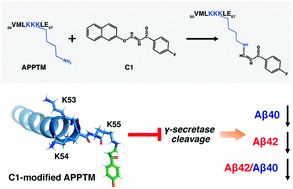
New compound prevents amyloid formation to fight Alzheimer’s disease
What is the role of C1?
Implications of the compound
What is Alzheimer’s disease?
Saturday, June 27, 2020
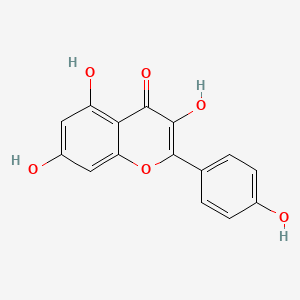
Study: Antioxidant flavonol linked to lower risk of Alzheimer's dementia
In continuation of my update on kaempferol, myricetin and quercetin
kaempferol
myricetin
People who eat or drink more foods with the antioxidant flavonol, which is found in nearly all fruits and vegetables as well as tea, may be less likely to develop Alzheimer's dementia years later, according to a study published in the January 29, 2020, online issue of Neurology, the medical journal of the American Academy of Neurology.
Wednesday, June 24, 2020
Suvorexant May Improve Insomnia With Alzheimer Disease

"Suvorexant did not appear to impair next-day cognitive or psychomotor performance as assessed by objective tests, although these assessments do not constitute a comprehensive assessment of cognition," the authors write.
Saturday, April 11, 2020
Study first to show pharmacological chaperone therapy prevents Alzheimer's in mice
"Our chaperone drug specifically restored levels of a sorting molecule known as VPS35, which helps move proteins out of endosomes, compartments inside cells where proteins are sorted for degradation," explained Domenico Praticò, MD, the Scott Richards North Star Charitable Foundation Chair for Alzheimer's Research, Professor in the Departments of Pharmacology and Microbiology, and Director of the Alzheimer's Center at Temple in the Lewis Katz School of Medicine. Dr. Praticò was a senior investigator on the new study.
"Relative to other therapies under development for Alzheimer's disease, pharmacological chaperones are inexpensive, and some of these drugs have already been approved for the treatment of other diseases," Dr. Praticò said. "Additionally, these drugs do not block an enzyme or a receptor but target a cellular mechanism, which means that there is much lower potential for side effects. All these factors add to the appeal of pursuing pharmacological chaperone drugs as novel Alzheimer's treatments."
Monday, May 13, 2019
Eisai and Imbrium Therapeutics Announce U.S. FDA Filing Acceptance of New Drug Application for Lemborexant for the Treatment of Insomnia
- SUNRISE 1: a one-month Phase 3 clinical study to evaluate the efficacy and safety of lemborexant versus placebo and versus an active comparator (zolpidem tartrate extended release, “zolpidem ER”) in 1,006 patients 55 years and older (45 percent of all patients were aged 65 years and older) with insomnia disorder. This study assessed sleep latency (using latency to persistent sleep; primary objective); sleep efficiency and wake after sleep onset (effect on maintaining sleep; key secondary objectives) objectively using polysomnography, and achieved its primary and key secondary objectives. The most common adverse events (AEs) reported in the lemborexant arms were headache and somnolence.1
- SUNRISE 2: a 12-month placebo-controlled (first six months) Phase 3 clinical study to evaluate the long-term efficacy and safety of lemborexant in 949 adult patients (18 to 88 years of age) with insomnia disorder. This study evaluated subjective (patient-reported) sleep onset latency (primary objective), sleep efficiency, and wake after sleep onset (key secondary objectives) using sleep diaries, and achieved its pre-specified primary and key secondary efficacy objectives. The most common AEs reported in the lemborexant arms were somnolence, nasopharyngitis, headache, and influenza.2
About Lemborexant
About SUNRISE 1 (Study 304)
About SUNRISE 2 (Study 303)
Friday, March 15, 2019
Researchers find clues that depression may speed brain aging
"We think depression might be accelerating the normal aging," she said.
"If your mood isn't enough to make you go and get treated, then hopefully your cognition is," said Dr. Mary Sano, who directs the Mount Sinai Alzheimer's Disease Research Center in New York and wasn't involved in the new research.
Friday, February 15, 2019
New Drug Application for Insomnia Disorder Treatment Lemborexant Submitted in the United States
https://en.wikipedia.org/wiki/Lemborexant
New Drug Application for Insomnia Disorder Treatment Lemborexant Submitted in the United States
Tuesday, August 28, 2018
Cancer fighting effects of aspirin revealed in bowel tumor study
Dr. Lesley Stark, of the Cancer Research UK Edinburgh Centre at the University of Edinburgh, said: "We are really excited by these findings as they suggest a mechanism by which aspirin may act to prevent multiple diseases. A better understanding of howaspirin blocks TIF-IA and nucleolar activity provides great promise for the development of new treatments and targeted therapy."