Showing posts sorted by relevance for query vitamin. Sort by date Show all posts

Friday, April 6, 2018

High vitamin D levels may help prevent cancer


In continuation of my update on Vitamin D, 

The study reinforces the existing theory that vitamin D helps defend against certain cancers. Exposure to sunlight stimulates the production of vitamin D by our skin. Vitamin D contributes to calcium level maintenance in our bodies, which in turn helps teeth, muscles and bones remain healthy. Aside from established benefits of vitamin D on bone diseases, evidence continues to emerge that vitamin D could be effective for other cancers and chronic diseases.   

Yet more comprehensive research needs to be conducted, as to date, the majority of studies have been conducted throughout American and European populations, and more studies focusing on Asian populations are necessary.
It is vital to determine whether the effects are the same in non-Caucasian populations, since Vitamin D metabolism and concentrations differ dependant on ethnicity.
The study published by the BMJ was carried out to determine if vitamin D was linked to site specific and total cancer.

Data spanning nine public health centres across Japan was analysed, from 33,736 female and male participants between the ages of 40 and 69 years old.
Participants were required to disclose a comprehensive overview of their lifestyle, diet and medical history and have blood samples taken to assess their vitamin D levels. Factors such as seasons affected vitamin D levels; summer and autumn typically produced higher levels compared to spring or winter. Samples were then assigned to one of four groups, based on levels.

Researchers then monitored the study participants for a mean period of 16 years, during which 3,301 new cancer cases were registered.
Once multiple known cancer risk factors had been accounted for, including weight (BMI), physical activity, age, dietary factors, smoking and alcohol intake, researchers discovered that high levels of vitamin D  reduced the overall risk of cancer by 20% in both women and men.

Higher levels were linked to a 30-50% lower relative risk of liver cancer, and more so in men than women. No cancers exhibited a higher risk connected to high vitamin D levels, and there was no evidence of a link to prostate or lung cancer.
Adjustments were made for dietary and other factors to confirm the strength of the findings, but this did little to affect the results. One limitation of the study was an insufficient number of organ specific cancers. In addition, even with the risk factor adjustments, there is no absolute certainty that the results were skewed by unidentified factors.  For this reason, no concrete conclusions about cause and effect can be asserted.

The large sample size for overall cancer, large number of blood samples tested and the extensive follow up period were vital strengths of the study. The result reinforce the theory that vitamin D has a role in defending against the risk of cancer, but the authors emphasize that vitamin D may carry additional health benefits too, that were not measured in this study.  

Further studies are needed to clarify the optimal concentrations (of vitamin D) for cancer prevention."
Ref : https://www.eurekalert.org/pub_releases/2018-03/b-hvd030618.php


Wednesday, May 29, 2013

Mycobacterium tuberculosis is extraordinarily sensitive to killing by a vitamin C-induced Fenton reaction : Nature Communications : Nature Publishing Group

In a striking, unexpected discovery, researchers at Albert Einstein College of Medicine of Yeshiva University have determined that vitamin C kills drug-resistant tuberculosis (TB) bacteria in laboratory culture. The finding suggests that vitamin C added to existing TB drugs could shorten TB therapy, and it highlights a new area for drug design.

Dr. Jacobs and his colleagues observed that isoniazid-resistant TB bacteria were deficient in a molecule called mycothiol. "We hypothesized that TB bacteria that can't make mycothiol might contain more cysteine, an amino acid," said Dr. Jacobs. 

"So, we predicted that if we added isoniazid and cysteine to isoniazid-sensitive M. tuberculosis in culture, the bacteria would develop resistance. Instead, we ended up killing off the culture  something totally unexpected."

The Einstein team suspected that cysteine was helping to kill TB bacteria by acting as a "reducing agent" that triggers the production of reactive oxygen species (sometimes called free radicals), which can damage DNA.

"To test this hypothesis, we repeated the experiment using isoniazid and a different reducing agent vitamin C," said Dr. Jacobs. "The combination of isoniazid and vitamin C sterilized the M. tuberculosis culture. We were then amazed to discover that vitamin C by itself not only sterilized the drug-susceptible TB, but also sterilized MDR-TB and XDR-TB strains."
To justify testing vitamin C in a clinical trial, Dr. Jacobs needed to find the molecular mechanism by which vitamin C exerted its lethal effect. More research produced the answer: Vitamin C induced what is known as a Fenton reaction, causing iron to react with other molecules to create reactive oxygen species that kill the TB bacteria.

"We don't know whether vitamin C will work in humans, but we now have a rational basis for doing a clinical trial," said Dr. Jacobs. "It also helps that we know vitamin C is inexpensive, widely available and very safe to use. At the very least, this work shows us a new mechanism that we can exploit to attack TB.".....

Ref : http://www.einstein.yu.edu/news/releases/907/study-finds-vitamin-c-can-kill-drug-resistant-tb/


Mycobacterium tuberculosis is extraordinarily sensitive to killing by a vitamin C-induced Fenton reaction : Nature Communications : Nature Publishing Group

Monday, May 25, 2026

Vitamin C may reduce cancer-linked digestive chemical reactions


In continuation of my update on Vitamin C


A new study from the University of Waterloo uses mathematical modeling to examine how Vitamin C affects chemical reactions in the digestive system that are linked to cancer development. 

Over the last several decades, North American diets have seen a steady increase in exposure to nitrates and nitrites: compounds found in cured meats as well as fruits and vegetables grown using polluted soil and water. While nitrates and nitrites play important roles in neurological and heart health, in the stomach, they can undergo a chemical reaction known as "nitrosation" and form chemicals that many scientists suspect increase cancer risk. 

Since at least the 90s, researchers have been studying the link between cancer and these compounds, with conflicting results. Our work suggests that the presence of dietary Vitamin C may help explain these inconsistencies." 

Dr. Gordon McNicol, post-doctoral researcher in applied mathematics and first author of the study

The team built a mathematical model of the salivary glands, stomach, small intestine and plasma, and simulated how nitrites and nitrates move through the body and change over time. Their model demonstrated that when Vitamin C is also present in food, such as leafy greens like spinach, which contain both Vitamin C and nitrate, it could decrease cancer risk. 

The study also suggested that taking Vitamin C supplements after each meal could have a moderate positive effect in reducing the formation of nitrosation products associated with cancer risk from dietary nitrites and nitrates, such as those found in foods like bacon and salami. 

The researchers hope these findings will support future nutrition research. 

"This work provides a mechanistic roadmap for future clinical and laboratory studies by identifying the key interacting drivers of these potentially harmful chemical reactions, including nitrite exposure, antioxidant intake, meal timing, gastric conditions and oral microbiome activity," said Dr. Anita Layton, professor of applied mathematics and Canada 150 researcher chair. "This model can help researchers design more targeted experiments and interventions, focusing on when and in whom nitrosation is most likely to occur." 

The research, "Vitamin C as a nitrosation inhibitor: A modelling study across dietary patterns and water quality," appears in the Journal of Theoretical Biology.

https://www.sciencedirect.com/science/article/pii/S002251932600069X?via%3Dihub

Vitamin C may reduce cancer-linked digestive chemical reactions

Tuesday, December 13, 2016

Taking vitamin D with quetiapine can help avoid new-onset diabetes risk

In continuation of my update on quetiapine

Atypical antipsychotics, though effective for treating disorders like schizophrenia, bipolar disorder, and depression, gives patients a heightened risk of developing new-onset diabetes. A new data mining study, however, has found a way to relieve this side effect. The study, published in Scientific Reports, shows that taking vitamin D ameliorates the risk of developing new-onset diabetes from atypical antipsychotics like quetiapine.

Quetiapine.svg quetiapine.

The consequences of developing diabetes from taking antipsychotics are dire, as they occasionally cause life-threatening conditions and sometimes even death.

Members of Shuji Kaneko's lab at Kyoto University looked for potential antidotes on the US FDA's Adverse Event Reporting (FAERS) system, which is the largest database of self-reported adverse side effects. "We found that patients who had coincidentally been prescribed vitamin D with quetiapine were less likely to have hyperglycaemia," says Kaneko. "It's unusual for vitamin D to be prescribed with quetiapine because it is typically prescribed to treat osteoporosis; in fact, there were only 1232 cases in the world where vitamin D was prescribed with quetiapine. Data mining proved helpful in locating these cases."

The team confirmed this finding with further tests on mice; the group of mice that was fed vitamin D along with quetiapine had significantly lower levels of blood sugar than those that took only quetiapine.

"Interestingly, vitamin D on its own doesn't lower diabetes risk, but it certainly defends against the insulin-lowering effects of quetiapine," elaborates lead author Takuya Nagashima. "We clarified the molecular mechanisms of how quetiapine causes hyperglycaemia using datasets in a genomics data repository. Through this we found that quetiapine reduces the amount of a key enzyme called PI3K that gets produced. Vitamin D stops quetiapine from lowering PI3K production."

"Databases like FAERS aren't just for making drug regulations; they have so much potential for side-effect relief using pre-existing drugs," says Kaneko. "There's a lot we can hope for from reverse translational research like this. "
Ref : http://www.kyoto-u.ac.jp/en/research/research_results/2016/160523_2.html

Tuesday, May 8, 2012

Does Vitamin E Prevent or Promote Cancer?

In continuation of my update on Vitamin-E

The cancer preventive activity of vitamin E has been suggested by many epidemiologic studies. However, several recent large-scale human trials with α-tocopherol, the most commonly recognized and used form of vitamin E, failed to show a cancer preventive effect. The recently finished follow-up of the Selenium and Vitamin E Cancer Prevention Trial (SELECT) even showed higher prostate cancer incidence in subjects who took α-tocopherol supplementation. The scientific community and the general public are faced with a question: “Does vitamin E prevent or promote cancer?” Researchers lead by Dr. Chung S. Yang, Director of the center did experiments in animal models and tried to conclude about  the cancer preventive activity of γ- and δ-tocopherols as well as a naturally occurring mixture of tocopherols, and the lack of cancer preventive activity by α-tocopherol

On the basis of these results as well as information from the literature, we suggest that vitamin E, as ingested in the diet or in supplements that are rich in γ- and δ-tocopherols, is cancer preventive; whereas supplementation with high doses of α-tocopherol is not.

Sunday, February 22, 2009

Vitamin B12 as an effective 'Canker Sore Therapy' ..


I used to wonder why, the medical practitioners recommend Vitamin B12 for canker sores, now thanks to the research group lead by Dr. Ilia Volkov, have confirmed the fact that a nightly dose of vitamin B12 is a simple, effective and low risk therapy to prevent Recurrent Aphthous Stomatitis (RAS), better known as "canker sores." In India vitamin B12, is available as OTC.

The researchers tested the effect of vitamin B12 on 58 randomly selected RAS patients who received either a dose of 1,000 mcg of B12 by mouth at bedtime or a placebo, and were tested monthly for six months. Approximately three quarters (74 percent) of the patients of the treated group and only a third (32 percent) of the control group achieved remission at the end of the study.

The results are of important by the fact that the average outbreak duration and the average number of ulcers per month decreased in both groups during the first four months of the trial. However, the duration of outbreaks, the number of ulcers, and the level of pain were reduced significantly at five and six months of treatment with vitamin B12, regardless of initial vitamin B12 levels in the blood. During the last month of treatment a significant number of participants in the intervention group reached 'no aphthous ulcers status' (74.1% vs 32.0%; P < .01) and not only becoz., of the statistical significance and also this treatment is simple and inexpensive and has no known significant toxic effects. More....


Friday, February 10, 2017

FDA Approves Rayaldee (calcifediol) to Treat Secondary Hyperparathyroidism in Patients with Chronic Kidney Disease


OPKO Health, Inc. announced that the U.S. Food and Drug Administration (FDA) has approved Rayaldee (calcifediol) extended release capsules for the treatment of secondary hyperparathyroidism (SHPT) in adults with stage 3 or 4 chronic kidney disease (CKD) and serum total 25-hydroxyvitamin D levels less than 30 ng/mL. Rayaldee is a patented extended release product containing 30 mcg of a prohormone called calcifediol (25-hydroxyvitamin D3).

"FDA's approval of Rayaldee represents an important milestone for OPKO," noted Dr. Phillip Frost, CEO and Chairman of OPKO. "Rayaldee is the first product to receive FDA approval for this important indication and is one of OPKO's many pharmaceutical products being developed for significant medical problems which will benefit from new treatment options."
Results from two 26 week placebo controlled, double blind phase 3 trials demonstrated that a larger proportion of stage 3 or 4 CKD patients with SHPT and vitamin D insufficiency achieved ≥30% reductions in plasma intact parathyroid hormone (iPTH) when treated with Rayaldee than with placebo. Vitamin D insufficiency was corrected in more than 80% of the patients receiving Rayaldee compared with less than 7% of subjects receiving placebo. Mean serum calcium and phosphorus levels increased by 0.1 mg/dL during Rayaldee treatment compared to placebo treatment, but these changes were deemed clinically irrelevant. No differences in Rayaldee's efficacy or safety were observed between patients with stage 3 CKD or stage 4 CKD.
"Rayaldee fills a large void in the current treatment options for SHPT in predialysis patients," commented Dr. Charles W. Bishop, CEO of OPKO's Renal Division. "The current standard of care is high dose vitamin D supplementation, an approach for treating SHPT that is neither FDA approved nor demonstrated to be safe and effective in this population. SHPT is a progressive disease that becomes increasingly debilitating and difficult to treat, necessitating timely and effective treatment."
"Rayaldee is an important new option for treating SHPT in patients with stage 3 or 4 CKD and vitamin D insufficiency," stated Kevin J. Martin, Director of Research, Division of Nephrology at Saint Louis University School of Medicine. "The great majority of SHPT cases in this patient population are associated with vitamin D insufficiency, a problem that Rayaldee can correct."

About Rayaldee

Rayaldee (calcifediol) extended release capsules are approved by the U.S. Food and Drug Administration (FDA) for the treatment of SHPT in adult patients with stage 3 or 4 CKD and serum total 25-hydroxyvitamin D levels less than 30 ng/mL. Rayaldee has a patented formulation designed to raise serum total 25-hydroxyvitamin D (prohormone) concentrations to targeted levels (at least 30 ng/mL) and to reduce elevated iPTH. OPKO expects to launch Rayaldee in the U.S. through its dedicated renal sales force in the second half of 2016. Rayaldee is not indicated in patients with stage 5 chronic kidney disease or end-stage renal disease on dialysis. The full prescribing information for Rayaldee will be available at www.opkorenal.com.
Potential side effects of Rayaldee include hypercalcemia (elevated serum calcium), which can also lead to digitalis toxicity, and adynamic bone disease with subsequent increased risk of fractures if intact PTH levels are suppressed by Rayaldee to abnormally low levels. Severe hypercalcemia may require emergency attention; symptoms of hypercalcemia may include feeling tired, difficulty thinking clearly, loss of appetite, nausea, vomiting, constipation, increased thirst, increased urination, and weight loss. Digitalis toxicity can be potentiated by hypercalcemia of any cause. Excessive administration of Rayaldee can cause hypercalciuria, hypercalcemia, hyperphosphatemia, or oversuppression of intact PTH. Common symptoms of vitamin D overdosage may include constipation, decreased appetite, dehydration, fatigue, irritability, muscle weakness, or vomiting. Patients concomitantly taking cytochrome P450 inhibitors, thiazides, cholestyramine, phenobarbital or other anticonvulsants may require dose adjustments and more frequent monitoring.
The most common adverse reactions in clinical trials (≥3% and more frequent than placebo) were anemia, nasopharyngitis, increased blood creatinine, dyspnea, cough, congestive heart failure and constipation.

Sunday, April 26, 2009

Sorafenib and vitamin K combo as anticancer drug against pancreas cancer....

We know that Sorafenib, is a drug approved for the treatment of primary kidney cancer (advanced renal cell carcinoma) and advanced primary liver cancer (heptacellular carcinoma).

Sorafenib is a small molecular inhibitor of several protein kinases. (Protein kinases are overactive in many of the molecular pathways that cause cells to become cancerous. These pathways include Raf kinase, PDGF (platelet-derived growth factor), VEGF receptor and kinases and c Kit the receptor for Stem cell factor. A growing number of drugs target most of these pathways). Sorafenib is unique in targeting the Raf/Mek/Erk pathway. After the FDA (US), approval in 2005 & European Commission in 2006, the drug was used to treat both forms of cancers. Now something interesting has been achieved by Dr. Brian Carr (a professor of Medical Oncology at the Jefferson Medical College of Thomas Jefferson University). Vitamin K1 or vitamin K2, plus sorafenib (Nexavar) each have shown activity against the growth of human cancer cells by inhibiting the extracellular signal-regulated kinase (ERK) pathway. The basis for the research lies in the fact that, sorafenib has demonstrated success at extending survival in patients with hepatocellular carcinoma (HCC, or primary liver cancer), hand-foot syndrome is a common adverse effect that affects approximately 20 percent of patients who receive the drug. It typically manifests as painful sores on the soles of patients' feet that can prevent the patients from walking, Dr. Carr said. Profound tiredness and weight loss is also seen in at least 30 percent of patients.

The research is of great significance because of the fact that in the pancreas cancer study, Dr. Carr and his colleagues tested each K vitamin in combination with sorafenib in pancreatic cell lines. Each combination inhibited cell growth, induced cell death and decreased the expression of ERK. They found that when combining vitamin K and sorafenib, the sorafenib dose required for inhibiting cancer cell growth decreased by more than 50 percent. The conclusions are really great 1. The dose required is reduced to half; 2. reduced side effects and 3. vitamin an established drug, no need of toxicological studies.... Congrats, Dr. Dr. Brian Carr and group..

Wednesday, May 5, 2010

The Secret of Lowering Cholesterol Through Diet...

I am really happy to share an interesting and important article  'the secret of lowering cholesterol through diet' by  Deborah Land, who has written this article exclusively for the readers of  my blog.......

The Secret of Lowering Cholesterol Through Diet

a. The Myth of Cholesterol - the Bad and the Good:
Most people think that cholesterol is always bad, but there are actually two types of cholesterol. LDL is  considered the "bad" cholesterol, and HDL is considered the "good" cholesterol. If there is too much LDL in our bloodstream, it will form plaque on our arteries. Over time, this narrows our arteries and can eventually block blood flow completely. Dietary cholesterol actually isn't the primary reason for high cholesterol in the blood; it is high amounts of saturated fat and trans fat. To keep cholesterol low, you should eat unsaturated fats, eat fibrous foods, and exercise more.

b. Number Relevance in Cholesterol :
Every adult should have their cholesterol checked at least every 5 years. When you get a cholesterol test, you'll usually get back four different results. Here are the 4 categories and the healthy range you want to be in.

Total Cholesterol - less than 200 mg/dL (5.2 mmol/L);
LDL Cholesterol - less than 100 mg/dL (2.6 mmol/L);
HDL Cholesterol - greater than 40 mg/dL (1.0 mmol/L) &
Triglycerides - less than 150 mg/dL (1.7 mmol/L).

If you are over or under the desired level on any category, it is usually indicative that a diet or exercise change is needed.

c. Heart Protection and Vitamin E:
Vitamin E, an important vitamin, is sourced in vegetable oils, nuts and leafy vegetables. Vitamin E can decrease your heart disease risk, but it will not prevent a heart attack.

d. Lowering Cholesterol with these Five Foods :
1. Oatmeal and Oat Bran: These contain a high amount of soluble fiber, which can lower LDL.
2. Fish: Fish is a great source of omega 3 fatty acids, which lowers LDL and raises HDL.
3. Nuts: Not only are nuts high in fiber, but they contain the healthy fats you need to keep LDL in check.
4. Plant Sterols: This is found in foods like margarine, salad dressing, orange juice, and functional cookies. 2  grams per day will lower your LDL by 10-15%.
5. Soy: This popular meat replacement can lower LDL by up to 3%.

e. Plant Sterols and Benefits to Health :
Foods such as VitaTops Muffin Tops, Benecol Spread, granola bars and fat free milk are rich sources of plant sterols. You can easily help your heart when you start eating foods packed with plant sterols and avoid eating foods that contain saturated fats. A saturated fat-filled diet is not canceled out by this. Exercising often as well as eating healthy food will keep your cholesterol in check.

About the Author - Deborah Land writes for Cholesterol Lowering Diet Blog  ,  her personal hobby blog focused on tips to eat healthy to prevent high cholesterol. I find the blog very informative, do visit for more details...

Friday, February 8, 2013

Can Brightly Colored Fruits, Veggies Protect Against ALS? - Drugs.com MedNews

Researchers from Harvard School of Public Health have,  found that increasing consumption of carotenoids, particularly beta-carotene and lutein, might reduce the risk for this progressive neurological disease, which attacks nerve cells in the brain and spinal cord.


Carrots, yams and mangoes are rich in beta-carotenes, and spinach, collard greens and egg yolks are good sources of lutein. The study found, however, that diets rich in the antioxidants lycopene, beta-cryptoxanthin and vitamin C do not apparently reduce the risk for ALS, which causes the muscles to waste away and eventually results in paralysis.

"ALS is a devastating degenerative disease that generally develops between the ages of 40 and 70, and affects more men than women," senior study author Dr. Alberto Ascherio, a professor of epidemiology and nutrition at Harvard School of Public Health, said in a journal news release. "Understanding the impact of food consumption on ALS development is important."

Analyzing information on more than 1 million people, the researchers identified nearly 1,100 cases of ALS. The researchers found that increased overall carotenoid intake -- especially among those who ate diets rich in beta-carotene and lutein -- seemed to be linked to a lower risk for the devastating condition. 


Those who ate more carotenoids daily also were more likely to exercise, have an advanced degree, have increased vitamin C intake and take vitamin C and E supplements.

The researchers pointed out, however, that long-term vitamin C supplements did not lower people's risk for this degenerative disease.


"Our findings suggest that consuming carotenoid-rich foods may help prevent or delay the onset of ALS," Ascherio concluded. "Further food-based analyses are needed to examine the impact of dietary nutrients on ALS."

 Ref : http://onlinelibrary.wiley.com/doi/10.1002/ana.23820/abstract

Monday, November 30, 2009

S-methylmethionine (Vitamin U) as antiulcer agent .......

About S-methylthionine :

S-Methylmethionine, or S-methyl-L-methionine, is a derivative of methionine In plants, it is produced from methionine by the enzyme methionine S-methyltransferase. S-Methyl- methionine is sometimes called vitamin U in naturopathic medicine, but it is not recognized as a vitamin by mainstream nutrition science. Methionine in itself has not been demonstrated as effective for treating peptic and duodenal ulcers. Its proponents claim that sources of methionine are limited, or claim it can be found only in raw cabbage; however, these claims are incorrect. Methionine is a common amino acid found in a wide variety of fruits, vegetables, and legumes.

More interesting results by the researchers from the Stanford University, have further substantiated the claim that it can be used to treat peptic and duodenal ulcers.

Acetaminophen is a pain reliever present in many over-the-counter cold and flu medicines. It is broken down, or metabolized, in the body into byproducts , one of which can be very toxic to the liver. At normal, therapeutic levels, this byproduct is easily deactivated when it binds to a naturally occurring, protective molecule called glutathione. But the body's glutathione stores are finite, and are quickly depleted when the recommended doses of acetaminophen are exceeded. Acetaminophen overdose is the most common cause of liver transplantation and the only effective antidote is an unpalatable compound called NAC that can induce nausea and vomiting, and must be administered as soon as possible after the overdose.

As per the claim by the authors, an enzyme called Bhmt2 helped to generate more glutathione. Bhmt2 works by converting the diet-derived molecule S-methylmethionine, or SMM, into methionine, which is subsequently converted in a series of steps into glutathione. The researchers confirmed the importance of the pathway by showing that SMM conferred protection against acetaminophen-induced liver toxicity only in strains of mice in which the Bhmt2 pathway was functional.

By administering SMM, which is found in every flowering plant and vegetable, we were able to prevent a lot of the drug’s toxic effect,” said Peltz. He and his colleagues are now working to set up clinical trials at Stanford to see whether it will have a similar effect in humans. In the meantime, though, he cautions against assuming that dosing oneself with SMM will protect against acetaminophen overdose....

Source : http://med.stanford.edu/ism/2009/november/peltz.html

Monday, November 11, 2013

Blueberries, Red Grapes May Boost Body's Immune Function

Researchers found that both fruits contain compounds called stilbenoids, which work with vitamin D to increase expression of the human cathelicidin antimicrobial peptide (CAMP) gene, which is involved in immune function.
The stilbenoid compounds included resveratrol in red grapes and pterostilbene in blueberries.
"Out of a study of hundreds of compounds, just these two popped right out," Adrian Gombart, a principal investigator at the Linus Pauling Institute at Oregon State University, said in a university news release.
"Their synergy with vitamin D to increase CAMP gene expression was significant and intriguing," said Gombart, an associate professor in the university's college of science. "It's a pretty interesting interaction."
Gombart and colleagues noted, however, that these findings were made in laboratory cell cultures and do not prove that eating blueberries and red grapes would boost a person's immune function.
The study was published Sept. 17 in the journal Molecular Nutrition and Food Research.
The CAMP gene has been shown to play a key role in the innate immune system -- the body's first line of defense that gives it the ability to fight bacterial infection. The response is especially crucial as many antibiotics become less effective.
Previous research has found a strong association between adequate vitamin D levels and the function of the CAMP gene. This new study suggests that certain other compounds may play a role as well.

Wednesday, June 21, 2017

Vitamin A Compound Might Aid in Colon Cancer Fight

In continuation of my update on Retinoic acid
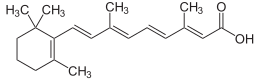
Skeletal formula of retinoic acid
Retinoic acid, a compound derived in the body from vitamin A, might have a role in suppressing colon cancer, new animal research suggests.
"Retinoic acid has been known for years to be involved in suppressing inflammation in the intestine," said study senior author Dr. Edgar Engleman, professor of pathology and medicine at Stanford University School of Medicine in Palo Alto, Calif.
Meanwhile, the development of colon cancer has been linked to inflammation. For example, inflammatory bowel disease, such as ulcerative colitis, has been associated with colon cancer, he said in a university news release.
"We wanted to connect the dots and learn whether and how retinoic acid levels directly affect cancer development," Engleman added.
When the researchers looked at mice with colon cancer, they saw lower levels of retinoic acid in the intestines of the mice.
The researchers also found that boosting levels of retinoic acid in the intestines of mice with colon cancer slowed progression of the disease.
In humans, colon cancer patients who had high levels of a protein that degrades retinoic acid in their intestinal tissue tended to have worse outcomes than other patients, the study authors noted.
The findings suggest new ways to prevent or treat colon cancer. However, it's important to note that animal research doesn't always produce the same results in humans.
"The intestine is constantly bombarded by foreign organisms. As a result, its immune system is very complex," Engleman said.
"We found that bacteria, or molecules produced by bacteria, can cause a massive inflammatory reaction in the gut that directly affects retinoic acid metabolism," he said.
He said that retinoic acid levels are normally regulated very tightly.
"Now that we've shown a role for retinoic acid deficiency in colorectal cancer, we'd like to identify the specific microorganisms that initiate these changes in humans. Ultimately we hope to determine whether our findings could be useful for the prevention or treatment of colorectal cancer," he concluded.
The study was published online Aug. 30 in the journal Immunity.

Friday, May 29, 2026

Could guava juice help prevent anemia?


A systematic review from Indonesia, published in the journal BMJ Nutrition, Prevention & Health, indicates that adding guava juice to the diet could boost hemoglobin levels in adolescent girls and pregnant women. This could potentially offer a low-cost dietary complement to iron supplementation, given the high prevalence of iron-deficiency anemia among females, especially in low- and middle-income countries (LMICs).

Iron deficiency anemia among young women

In 2021, anemia was estimated to affect about 45 % of pregnant women and 39.5 % of non-pregnant women worldwide. Indonesia had similar figures: 48.9 % among pregnant women and 32 % among adolescent girls. Women with severe anemia are twice as likely to die during pregnancy and postpartum, compared to those with mild anemia.

Iron deficiency is the primary cause of anemia, especially in LMICs. The reasons include poor dietary intake, high prevalence of infection, heavy bleeding during periods, frequent pregnancies, and low healthcare access.

Iron deficiency anemia is conventionally treated with iron supplementation, but oral iron can cause symptoms such as diarrhea or constipation, other gut symptoms, an unpleasant taste, and may be inaccessible to some women. Pregnancy can further complicate treatment, as physiological changes may decrease iron absorption during this period.

This has resulted in persistently low use of iron supplements, even with national nutritional programs like the Gerakan Nasional Aksi Bergizi or iron supplementation programs targeting pregnant women and adolescent girls.

Nutritional benefits of guava

Guava is a locally cultivated and inexpensive fruit. Its juice is rich in vitamin C, folate, antioxidants, flavonoids, and polyphenols, and other micronutrients. The current study aimed to examine the potential of guava juice as a natural adjunct to iron therapy.

Guava juice and iron supplements

This systematic review and meta-analysis included 17 Indonesian studies published between 2019 and 2024, with a total of 726 participants. Most studies were quasi-experimental, while two were randomized controlled trials (RCTs). The participants were pregnant women or adolescent girls, with numbers ranging from 15 to 230.

While the findings were encouraging, most of the evidence came from relatively small quasi-experimental studies rather than randomized trials

Most studies evaluated guava juice alongside iron supplementation, while a few used it alone or in combination with carrot or red spinach juice. Intervention periods ranged from five days to three months.

Eight studies compared guava juice plus iron supplementation with iron supplementation alone, although only five of these provided extractable data for the direct comparative meta-analysis. One study used papaya juice and another dragon fruit juice as comparators. The remaining seven studies had no control group.

The meta-analysis was limited to 12 studies because the others lacked usable data. The results were promising, consistently indicating a significant average increase of 1.7 g/dL in hemoglobin among pooled participants who consumed guava juice.

When stratified by participant type, adolescents had a mean improvement in hemoglobin levels of 1.5 g/dL, versus 1.8 g/dL among pregnant women.

Across five studies that directly compared guava juice interventions with iron-only controls, hemoglobin levels increased by an additional 1.3 g/dL on average in the guava juice groups. This was confirmed to be robust by sensitivity analyses, with little evidence of publication bias.

Possible physiological pathways

The degree of improvement in hemoglobin observed by the researchers is substantial enough to potentially move some individuals with mild or moderate anemia into non-anemic categories. Other experimental studies involving male athletes, anemic schoolchildren, and postpartum women have shown similar positive effects from both guava juice and guava fruit consumption.

This suggests the beneficial impact of guava’s high vitamin C and polyphenol content, irrespective of the form of consumption. Vitamin C improves the absorption of iron from non-heme sources, including iron supplements, by converting ferric iron into its more absorbable ferrous form.

Guava also contains folate, antioxidants, flavonoids, and polyphenols that may support red blood cell survival by reducing oxidative stress. The researchers suggest that juice preparation may improve compliance and could enhance nutrient availability, while promoting more consistent intake.

Study limitations

Despite the promising results, the review also noted limitations. All studies were conducted in Indonesia, limiting generalizability to other populations. Many studies had a moderate risk of bias, sample sizes were relatively small, and most were non-randomized designs. Missing data also reduced the size of the meta-analysis. The studies showed high heterogeneity due to differences in guava dosage, preparation, and duration.

Future follow-up research should include larger, well-designed RCTs across multiple countries with standardized reporting, including regimens and outcomes. These should include not only hemoglobin but also parameters such as transferrin and ferritin that reflect broader health impacts and long-term effectiveness. This would help identify the optimal dosage, dosing frequency, and duration of use.

Implementation research is also required to understand how far such an intervention could be embedded into existing programs, supporting its real-world relevance.

Conclusion

Overall, the study concludes that guava juice significantly improves hemoglobin levels in women and adolescent girls. The authors highlight the potential of guava juice as an affordable, culturally acceptable, and locally available dietary adjunct to iron supplementation and anemia prevention programs in resource-limited settings.

It is particularly relevant in tropical countries with high guava production, such as India and Indonesia. The authors suggest integrating guava juice into school nutrition programs, antenatal care packages, and community health initiatives.

This could be a sustainable, complementary strategy to prevent and treat mild-to-moderate anemia, aligning with the United Nations’ Decade of Action on Nutrition (2016–2025) and its dietary emphasis on local foods.


Wednesday, October 29, 2025

FDA Approves Palsonify (paltusotine) for the Treatment of Acromegaly in Adults

Crinetics Pharmaceuticals, Inc. (Nasdaq: CRNX) today announced that the U.S. Food and Drug Administration (FDA) approved Palsonify (paltusotine) for the first-line treatment of adults with acromegaly who had an inadequate response to surgery and/or for whom surgery is not an option. Palsonify, a selectively-targeted somatostatin receptor type 2 nonpeptide (SST2) agonist, is now the first once-daily, oral treatment approved for adults with acromegaly.

“With the FDA approval of our lead therapy Palsonify, today marks a new era for those living with acromegaly and also for Crinetics as a company,” said Scott Struthers, Ph.D., Founder and Chief Executive Officer of Crinetics. “We are very pleased to be fulfilling our commitment to transforming patient lives. This approval is the first to come from our deep pipeline of first-in-class, small molecule drugs. This would not be possible without the help and partnership of people living with acromegaly, their caretakers, our employees, and the clinical researchers and health care professionals who contributed to Palsonify’s successful development program. Thank you to all involved.”

The approval is based on data from the PATHFNDR-1 and PATHFNDR-2 Phase 3 pivotal trials, which evaluated Palsonify’s safety and efficacy in previously treated and medically untreated adults with acromegaly. Across both trials, Palsonify consistently demonstrated rapid onset, reliable biochemical control, and sustained efficacy.

Participants also reported significant reductions in signs and symptoms associated with acromegaly as measured by the Acromegaly Symptom Diary (ASD) — an FDA-aligned patient-reported outcome tool developed to capture the symptoms that matter to people living with acromegaly. Symptoms include headaches, joint pain, sweating, fatigue, weakness, swelling, and/or numbness/tingling. Palsonify was generally well-tolerated, with no serious adverse events reported in the randomized controlled portion of the trial.

Long-term results from the open-label extension (OLE) phases of both trials were presented at this year’s Endocrine Society’s annual meeting, ENDO 2025, providing further evidence of Palsonify’s ability to deliver durable IGF-1 control, sustained improvements in patient symptom burden, and a consistent safety profile. Ninety-one percent of patients from PATHFNDR-1 and 97 percent of completers from PATHFNDR-2 enrolled in the OLE.

“The PATHFNDR clinical development program set a new standard for acromegaly treatment by demonstrating the ability of Palsonify to drive both biochemical and symptom control, regardless of the degree of underlying disease severity,” said Dr. Shlomo Melmed, Executive Vice President of Medicine and Health Sciences and Dean of the Medical Faculty at Cedars-Sinai, “The approval of Palsonify is a significant advancement for our patients, as there is an unmet need for an easy-to-administer and safe therapeutic option with a rapid action and durable response that can consistently manage acromegaly.”

“For people living with acromegaly, treatment once meant burdensome injections, breakthrough symptoms, and lifestyle sacrifices just to stay on track,” said Jill Sisco, President of Acromegaly Community. “What matters most to our community – maintaining consistent control so the disease doesn’t control us – led us to partner with the FDA on Externally Led Patient-Focused Drug Development meetings. This new treatment reflects that our voices have been heard in shaping the next generation of acromegaly care.”

Palsonify is expected to be available in the U.S. in early October. Crinetics is ensuring broad access to Palsonify by working closely with payers, healthcare providers, and patient advocacy organizations to support those who may benefit from this treatment.

As part of this commitment, Crinetics has launched CrinetiCARE®, a comprehensive support program designed to assist people living with acromegaly throughout their treatment journey. CrinetiCARE provides disease and product education, benefit verification, financial assistance resources, and access to dedicated nurse educators who can offer support with treatment onboarding and ongoing adherence.

A Marketing Authorization Application (MAA) for paltusotine in acromegaly is currently under review for use in the European Union, and the current timeline for the Committee for Medicinal Products and Human Use (CHMP) opinion is the first half of 2026. Crinetics is in partnership with Sanwa Kagaku Kenkyuso (SKK) to develop and commercialize paltusotine for acromegaly in Japan.

Paltusotine is also being evaluated for the treatment of carcinoid syndrome in the pivotal Phase 3 CAREFNDR trial. Global enrollment for CAREFNDR is expected throughout 2025.

Palsonify (paltusotine) INDICATION:
Palsonify is a somatostatin receptor agonist indicated for the treatment of adults with acromegaly who had an inadequate response to surgery and/or for whom surgery is not an option.

IMPORTANT SAFETY INFORMATION

WARNINGS AND PRECAUTIONS:

Cholelithiasis and Its Complications: Cholelithiasis, including related complications such as acute cholecystitis and pancreatitis, have been reported. Monitor patients periodically. Discontinue Palsonify if complications of cholelithiasis occur and treat appropriately.
Hyperglycemia and Hypoglycemia: Hyperglycemia, diabetes mellitus, or hypoglycemia, may occur. Monitor blood glucose levels when Palsonify treatment is initiated or when dosage is altered. Adjust antidiabetic treatment accordingly.
Cardiovascular Abnormalities: Cardiac conduction abnormalities and other ECG changes such as PR interval prolongation, bradycardia, sinus arrest, and atrioventricular block may occur in patients with acromegaly and were reported in Palsonify clinical trials. Dosage adjustments of concomitant drugs that have bradycardic effects may be necessary.
Thyroid Function Abnormalities: Somatostatin analogs may suppress the secretion of thyroid-stimulating hormone, which may result in hypothyroidism. Periodic assessment of thyroid function is recommended.
Steatorrhea and Malabsorption of Dietary Fats: Somatostatin analog treatment may result in malabsorption of dietary fats and subsequent symptoms of steatorrhea, loose stools, abdominal bloating, and weight loss. If new or worsening symptoms are reported with Palsonify, evaluate patients for potential pancreatic exocrine insufficiency and manage accordingly.
Vitamin B12 Deficiency: Vitamin B12 deficiency may occur. Monitor vitamin B12 levels, if clinically indicated.
ADVERSE REACTIONS:
Most common adverse reactions (>5%) are diarrhea, abdominal pain, nausea, decreased appetite, sinus bradycardia, hyperglycemia, palpitations, and gastroenteritis.

FDA Approves Palsonify (paltusotine) for the Treatment of Acromegaly in Adults

Tuesday, March 20, 2012

Antidepressant, TCP (Trabylcypromine) could help the workings of anticancer drug used in leukemia...


A new study shows that an antidepressant could be crucial in helping cancer treatment drugs reach their full potential.

The study by scientists at the Institute of Cancer Research found that tranylcypromine (TCP - cis and trans iosmers - below structures) – which can be used to treat psychotic depressive states - can make cancer cells vulnerable to the effects of a vitamin A- derivative drug called ATRA (above structure).


Retinoids are a class of chemical compounds related chemically to vitamin A. ATRA is already used successfully to treat a rare form of acute myeloid leukemia (AML), but up until now, has not been effective against other types of the disease. ATRA works by encouraging leukemia cells to mature and die naturally, but the researchers lead by Ar. Arthur Zelent say that the reason many AML patients do not respond to the treatment is because the genes that ATRA normally attacks are switched off by an enzyme called LSD1. The scientists discovered that using TCP to block this 'off switch' could reactivate these genes, making the cancer cells susceptible to ATRA.

The team has already joined forces with the University of Munster in Germany to start a Phase II clinical trial of the drug combination in AML patients. The authors also commented that both the retinoid ATRA and the antidepressant TCP are already available in the UK and off-patent, so these drugs should not be expensive for the health service. 

Thursday, August 12, 2010

ProstaCaid (33-ingredient comprehensive polyherbal preparation) against prostate cancer......

We have seen  many benefits of natural products rich in  Quercetin,   Epigallocatechin gallate (EGCG) and many other polyphenol antioxidant from natural products like green tea, broccoli peaches and plums. Interestingly, now researchers from  Columbia University have come up with an interesting finding, i.e., ProstaCaid is a 33-ingredient comprehensive polyherbal preparation with supplements of vitamin C, vitamin D3, zinc, selenium, quercitin, 3,3′-diinodolymethane (DIM), and lycopene was able to stop abnormal cell growth and induce apoptosis (programmed cell death) in both hormone sensitive and hormone resistant prostate cancer cell lines at unusually low concentrations, which makes the findings more significant...

Herbal extracts include the extracts from turmeric root, saw palmetto berry, grape skin, pomegranate, pumpkin seed, pygeum bark, sarsaparilla root, green tea, and Japanese knotweed. Hence, it is rich in natural polyphenols, including quercetin, resveratrol, epigallocatechin gallate (EGCG), and ellagic acid, which have previously demonstrated anticancer potential. The unique formula contains 3 medicinal mushrooms grown on an herbal-enhanced medium. The mushrooms included are Phellinus linteus, Ganoderma lucidum, and Coriolus versicolor, each with known anticancer properties.

Researchers claim that, ProstaCaid was designed based on constituents that exhibit antiprolifetaive, antioxidant, and apoptotic activities; however, its efficacy and the mechanisms of action are yet to be examined. Researchers looked at the effectiveness of the preparation in suppressing several types of prostate cancer cell lines in culture and attempt to delineate the mechanism of action for justification in pursuing animal to determine efficicacy invivo.

Researchers conclude that, the anticancer activity of ProstaCaid may be ascribed to its polyphenolic flavonoids and curcuminoids derived from various herbs as well as other supplements, such as DIM. The preparation contains supplements such as quercetin (15%), Curcuma longa root extract complex with enhanced bioavailability (BCM-95; 20%), DIM (3%), and resveratrol (0.2%). Some of these components have shown a strong doseand time-dependent growth inhibition and apoptotic death in prostate cancer cells; 25 mM of quercetin inhibited about 50% PC3 cell growth for 72 hours. At 24 hours, 50 mM and 100 mM quercetin induced G2/M arrest and apoptosis, manifested by the decrease in G2/M-related protiens.

Researchers summarise  that,    ProstaCaid has anti-cancer activities in both AD and AI prostate cancer cells at very low concentrations (25 mg/mL). It also suggests that ProstaCaid inhibits cell growth and survival, at least through the inhibition of AKT and MAPK signaling. The effect on AI cell lines is especially of importance as there is presently no curative therapy for hormone refractory prostate cancer.

Researchers postulate that ProstaCaid may affect activity of Cdc2/cyclin B1 kinase by reducing this complex formation. Cdc2 could be dephosphorylated by Cdc25C and become inactive or be phosphorylated by protein kinase, such as Wee1, and then converted into an inactive form. They also suggest that more studies are needed in the future to test it and to define its upstream events in PC3 cells.

Ref : Jun Yan and Aaron E. Katz, Integr Cancer Ther 2010 9: 186

Monday, July 24, 2017

Folinic acid treatment could help improve language and communication skills of children with ASD

In continuation of my update on Folinic acid

Prescription doses of folinic acid, which is a reduced form of a B vitamin known as folate, could help improve the language and communication skills of children with autism spectrum disorder (ASD). These are the preliminary findings from a placebo-controlled trial in which children were randomized to receive either high-dose folinic acid or a placebo, says lead author Richard Frye of Arkansas Children's Research Institute in the US. The study, which is published in Springer Nature's journal Molecular Psychiatry, also identified a specific blood marker that can be used to predict which patients have the best chance to respond to the treatment.

Skeletal formula of folinic acid

Up to two percent of American children are said to experience symptoms that place them on the autism spectrum. Many of these children have difficulty communicating and interacting with others, especially within a social setting. Researchers do not yet fully understand all the reasons behind the development of ASD and, importantly, there are currently no approved treatments that address the core symptoms of this disorder.
"The only currently approved medications for autism are both antipsychotic medications that address non-core symptoms and can lead to unwanted side effects," says John Slattery, a co-author of the study.

Scientific research has linked this disorder to abnormalities in the metabolism of folate as well as genes that are involved in folate metabolism. Certain studies have also shown that the offspring of women who took folate supplements before conception and during pregnancy had a lower risk of having a child with ASD.

About ten years ago a condition, known as cerebral folate deficiency (CFD), was described in which the concentration of folate is below normal in the central nervous system but not in the blood. Many children with CFD had ASD symptoms and responded well to treatment with high-dose folinic acid.

Previously Frye's team could show that folate receptor autoantibodies were found with a high prevalence in children with ASD. In the current study, these researchers found that participants with folate receptor autoantibodies had a more favourable response to the folinic acid treatment. This leads the way to a test that might be useful for clinicians to determine if high-dose folinic acid might be a treatment for a particular child with ASD. The deleterious effects of folate receptor antibodies on brain development and function are now confirmed in a laboratory rat model.

"Improvement in verbal communication was significantly greater in participants receiving folinic acid as compared with those receiving the placebo," says Frye. He adds that the findings should be considered preliminary until the treatment has been assessed further in larger long-term studies.

The researchers indicated they were very pleased with the positive findings of this study, but caution that more research is needed in order to replicate the findings in a larger population.