Showing posts sorted by date for query spinach. Sort by relevance Show all posts

Friday, May 29, 2026

Could guava juice help prevent anemia?


A systematic review from Indonesia, published in the journal BMJ Nutrition, Prevention & Health, indicates that adding guava juice to the diet could boost hemoglobin levels in adolescent girls and pregnant women. This could potentially offer a low-cost dietary complement to iron supplementation, given the high prevalence of iron-deficiency anemia among females, especially in low- and middle-income countries (LMICs).

Iron deficiency anemia among young women

In 2021, anemia was estimated to affect about 45 % of pregnant women and 39.5 % of non-pregnant women worldwide. Indonesia had similar figures: 48.9 % among pregnant women and 32 % among adolescent girls. Women with severe anemia are twice as likely to die during pregnancy and postpartum, compared to those with mild anemia.

Iron deficiency is the primary cause of anemia, especially in LMICs. The reasons include poor dietary intake, high prevalence of infection, heavy bleeding during periods, frequent pregnancies, and low healthcare access.

Iron deficiency anemia is conventionally treated with iron supplementation, but oral iron can cause symptoms such as diarrhea or constipation, other gut symptoms, an unpleasant taste, and may be inaccessible to some women. Pregnancy can further complicate treatment, as physiological changes may decrease iron absorption during this period.

This has resulted in persistently low use of iron supplements, even with national nutritional programs like the Gerakan Nasional Aksi Bergizi or iron supplementation programs targeting pregnant women and adolescent girls.

Nutritional benefits of guava

Guava is a locally cultivated and inexpensive fruit. Its juice is rich in vitamin C, folate, antioxidants, flavonoids, and polyphenols, and other micronutrients. The current study aimed to examine the potential of guava juice as a natural adjunct to iron therapy.

Guava juice and iron supplements

This systematic review and meta-analysis included 17 Indonesian studies published between 2019 and 2024, with a total of 726 participants. Most studies were quasi-experimental, while two were randomized controlled trials (RCTs). The participants were pregnant women or adolescent girls, with numbers ranging from 15 to 230.

While the findings were encouraging, most of the evidence came from relatively small quasi-experimental studies rather than randomized trials

Most studies evaluated guava juice alongside iron supplementation, while a few used it alone or in combination with carrot or red spinach juice. Intervention periods ranged from five days to three months.

Eight studies compared guava juice plus iron supplementation with iron supplementation alone, although only five of these provided extractable data for the direct comparative meta-analysis. One study used papaya juice and another dragon fruit juice as comparators. The remaining seven studies had no control group.

The meta-analysis was limited to 12 studies because the others lacked usable data. The results were promising, consistently indicating a significant average increase of 1.7 g/dL in hemoglobin among pooled participants who consumed guava juice.

When stratified by participant type, adolescents had a mean improvement in hemoglobin levels of 1.5 g/dL, versus 1.8 g/dL among pregnant women.

Across five studies that directly compared guava juice interventions with iron-only controls, hemoglobin levels increased by an additional 1.3 g/dL on average in the guava juice groups. This was confirmed to be robust by sensitivity analyses, with little evidence of publication bias.

Possible physiological pathways

The degree of improvement in hemoglobin observed by the researchers is substantial enough to potentially move some individuals with mild or moderate anemia into non-anemic categories. Other experimental studies involving male athletes, anemic schoolchildren, and postpartum women have shown similar positive effects from both guava juice and guava fruit consumption.

This suggests the beneficial impact of guava’s high vitamin C and polyphenol content, irrespective of the form of consumption. Vitamin C improves the absorption of iron from non-heme sources, including iron supplements, by converting ferric iron into its more absorbable ferrous form.

Guava also contains folate, antioxidants, flavonoids, and polyphenols that may support red blood cell survival by reducing oxidative stress. The researchers suggest that juice preparation may improve compliance and could enhance nutrient availability, while promoting more consistent intake.

Study limitations

Despite the promising results, the review also noted limitations. All studies were conducted in Indonesia, limiting generalizability to other populations. Many studies had a moderate risk of bias, sample sizes were relatively small, and most were non-randomized designs. Missing data also reduced the size of the meta-analysis. The studies showed high heterogeneity due to differences in guava dosage, preparation, and duration.

Future follow-up research should include larger, well-designed RCTs across multiple countries with standardized reporting, including regimens and outcomes. These should include not only hemoglobin but also parameters such as transferrin and ferritin that reflect broader health impacts and long-term effectiveness. This would help identify the optimal dosage, dosing frequency, and duration of use.

Implementation research is also required to understand how far such an intervention could be embedded into existing programs, supporting its real-world relevance.

Conclusion

Overall, the study concludes that guava juice significantly improves hemoglobin levels in women and adolescent girls. The authors highlight the potential of guava juice as an affordable, culturally acceptable, and locally available dietary adjunct to iron supplementation and anemia prevention programs in resource-limited settings.

It is particularly relevant in tropical countries with high guava production, such as India and Indonesia. The authors suggest integrating guava juice into school nutrition programs, antenatal care packages, and community health initiatives.

This could be a sustainable, complementary strategy to prevent and treat mild-to-moderate anemia, aligning with the United Nations’ Decade of Action on Nutrition (2016–2025) and its dietary emphasis on local foods.



Monday, May 25, 2026

Vitamin C may reduce cancer-linked digestive chemical reactions


In continuation of my update on Vitamin C


A new study from the University of Waterloo uses mathematical modeling to examine how Vitamin C affects chemical reactions in the digestive system that are linked to cancer development. 

Over the last several decades, North American diets have seen a steady increase in exposure to nitrates and nitrites: compounds found in cured meats as well as fruits and vegetables grown using polluted soil and water. While nitrates and nitrites play important roles in neurological and heart health, in the stomach, they can undergo a chemical reaction known as "nitrosation" and form chemicals that many scientists suspect increase cancer risk. 

Since at least the 90s, researchers have been studying the link between cancer and these compounds, with conflicting results. Our work suggests that the presence of dietary Vitamin C may help explain these inconsistencies." 

Dr. Gordon McNicol, post-doctoral researcher in applied mathematics and first author of the study

The team built a mathematical model of the salivary glands, stomach, small intestine and plasma, and simulated how nitrites and nitrates move through the body and change over time. Their model demonstrated that when Vitamin C is also present in food, such as leafy greens like spinach, which contain both Vitamin C and nitrate, it could decrease cancer risk. 

The study also suggested that taking Vitamin C supplements after each meal could have a moderate positive effect in reducing the formation of nitrosation products associated with cancer risk from dietary nitrites and nitrates, such as those found in foods like bacon and salami. 

The researchers hope these findings will support future nutrition research. 

"This work provides a mechanistic roadmap for future clinical and laboratory studies by identifying the key interacting drivers of these potentially harmful chemical reactions, including nitrite exposure, antioxidant intake, meal timing, gastric conditions and oral microbiome activity," said Dr. Anita Layton, professor of applied mathematics and Canada 150 researcher chair. "This model can help researchers design more targeted experiments and interventions, focusing on when and in whom nitrosation is most likely to occur." 

The research, "Vitamin C as a nitrosation inhibitor: A modelling study across dietary patterns and water quality," appears in the Journal of Theoretical Biology.

https://www.sciencedirect.com/science/article/pii/S002251932600069X?via%3Dihub

Vitamin C may reduce cancer-linked digestive chemical reactions

Wednesday, July 8, 2020

Plant flavonols significantly reduce Alzheimer’s risk

A new study published in the journal Neurology in January 2020 concludes that increasing the intake of plant flavonols steeply reduces the risk of Alzheimer’s dementia (AD) by up to a half. In other words, AD could be prevented in many people simply by regularly eating and drinking more foods containing these compounds such as tea, oranges, and broccoli.

Alzheimer’s disease

AD is a progressive brain disorder in which the individual loses cognitive skills, including memory and thinking skills, and the ability to perform simple tasks. It is by far the leading cause of such disorders and affects over 5 million Americans.
One study was carried out on over 900 people, who were part of a community-wide ongoing larger research project called the Rush Memory and Aging (MAP) Project. These participants were assessed yearly for their neurologic health and dietary patterns, for an average of 6 years, but some for as long as 12 years. The average age was 81 years, and 3 out of 4 were female.

The findings

In the first study, 220/921 participants developed AD during the study. The risk of AD fell with a greater intake of flavonols. This finding held good even after the researchers adjusted for other health-associated factors – because those with the highest total flavonol intake were also the best educated, most active and took part in more cognitive activities. They also accounted for genetic factors like the presence of the APOE4 gene, and for cardiovascular risk factors that could influence the risk of AD, such as diabetes mellitus, history of heart attack, or stroke, or hypertension.
When classified into five groups based on decreasing flavonol intake, the participants in the first group (highest intake) consumed over 15 mg of flavonols a day. Compared to those in the lowest fifth (about 5 mg a day), these individuals showed an approximately 50% reduction in AD risk.
In concrete terms, 28 of 186 patients in the highest-intake group developed AD, vs. 54 of 182 in the lowest-intake group.
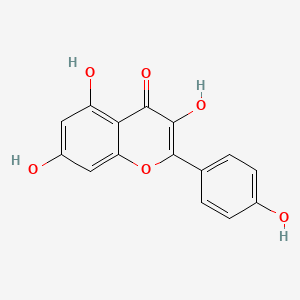
With respect to individual flavonols, kaempferol intake was linked to a reduction of almost 50%, and both myricetin and isorhamnetin by 40% each. A fourth flavonol, called quercetin, had no noticeable effect on AD risk.
Participants with the highest flavonol intake drank about one cup of black tea a day. Kale, and about a glass of red wine each day, could also supply flavonols.

Sources of flavonols

Kaempferol is richly present in green leafy vegetables, including spinach, broccoli, beans, tea and kale – and also in tea. Isorhamnetin-rich foods include olive oil, red wine, pears and tomato sauce. Myricetin is found in tea, kale, oranges, tomatoes and red wine.
Researcher Thomas Holland says, “More research is needed to confirm these results, but these are promising findings. Eating more fruits and vegetables and drinking more tea could be a fairly inexpensive and easy way for people to help stave off Alzheimer's dementia.”

Implications

Many scientists disagree with the emphasis on flavonols. Though these were thought to have antioxidant activity in the body, this theory was discredited many decades earlier. Antioxidant activity ceases when they are ingested and subjected to the activity of enzymes in the digestive tract.
They point out that flavonols are found in many plants, fruits and vegetables, which have been associated with good health for centuries. Nutritionists say that the AD-delaying effects of such foods are likely due to other plant chemicals which are relatively more abundant. On the other hand, taking flavonol pills or tea extracts is unlikely to produce the same healthful effect, and overdoses could be counterproductive.
This is not to say that eating more flavonol-rich foods or drinking a cup of black tea in the morning would hurt, since any foods containing these chemicals would also contain many more healthful compounds including vitamins, minerals and plant fiber. Holland makes a valid point with his conclusion: “'With the elderly population increasing worldwide, any decrease in the number of people with this devastating disease, or even delaying it for a few years, could have an enormous benefit on public health.”
https://n.neurology.org/content/early/2020/01/29/WNL.0000000000008981

Saturday, June 27, 2020

Study: Antioxidant flavonol linked to lower risk of Alzheimer's dementia


In continuation of my update on kaempferol, myricetin and  quercetin


Kaempferol.png 

                                                                 kaempferol

Skeletal formula of myricetin


                                                                      myricetin


                                                                          Quercetin


People who eat or drink more foods with the antioxidant flavonol, which is found in nearly all fruits and vegetables as well as tea, may be less likely to develop Alzheimer's dementia years later, according to a study published in the January 29, 2020, online issue of Neurology, the medical journal of the American Academy of Neurology.

"More research is needed to confirm these results, but these are promising findings," said study author Thomas M. Holland, MD, of Rush University in Chicago. "Eating more fruits and vegetables and drinking more tea could be a fairly inexpensive and easy way for people to help stave off Alzheimer's . With the  increasing worldwide, any decrease in the number of people with this devastating disease, or even delaying it for a few years, could have an enormous benefit on ."
Flavonols are a type of flavonoid, a group of phytochemicals found in plant pigments known for its beneficial effects on health.
The study involved 921 people with an average age of 81 who did not have Alzheimer's dementia. The people filled out a questionnaire each year on how often they ate certain foods. They were also asked about other factors, such as their level of education, how much time they spent doing  and how much time they spent doing mentally engaging activities such as reading and playing games.
The people were tested yearly to see if they had developed Alzheimer's dementia. They were followed for an average of six years. The researchers used various tests to determine that 220 people developed Alzheimer's dementia during the study.
The people were divided into five groups based on how much flavonol they had in their diet. The average amount of flavonol intake in US adults is about 16 to 20 milligrams per day. In the study, the lowest group had intake of about 5.3 mg per day and the highest group consumed an average of 15.3 mg per day.
The study found that people in the highest group were 48 percent less likely to later develop Alzheimer's dementia than the people in the lowest group after adjusting for genetic predisposition and demographic and lifestyle factors. Of the 186 people in the highest group, 28 people, or 15 percent, developed Alzheimer's dementia, compared to 54 people, or 30 percent, of the 182 people in the lowest group.
The results were the same after researchers adjusted for other factors that could affect the risk of Alzheimer's dementia, such as, diabetes, previous heart attack, stroke and high blood pressure.
The study also broke the flavonols down into four types: isorhamnetin, kaempferol, myricetin and quercetin. The top food contributors for each category were: pears, olive oil, wine and tomato sauce for isorhamnetin; kale, beans, tea, spinach and broccoli for kaempferol; tea, wine, kale, oranges and tomatoes for myricetin; and tomatoes, kale, apples and tea for quercetin.
People who had high intake of isorhamnetin were 38 percent less likely to develop Alzheimer's. Those with high intake of kaempferol were 51 percent less likely to develop dementia. And those with high intake of myricetin were also 38 percent less likely to develop dementia. Quercetin was not tied to a lower risk of Alzheimer's dementia.
Holland noted that the study shows an association between dietary flavonols and Alzheimer's risk but does not prove that flavonols directly cause a reduction in disease risk.
Other limitations of the study are that the food frequency questionnaire, although valid, was self-reported, so people may not accurately remember what they eat, and the majority of participants were white people, so the results may not reflect the general population.
https://en.wikipedia.org/wiki/Myricetin
https://en.wikipedia.org/wiki/Quercetin
https://medicalxpress.com/news/2019-07-high-hemoglobin-linked-dementia.html

Tuesday, June 11, 2019

Veggies, Fruits and Grains Keep Your Heart Pumping

Image result for vegetables fruits and grains


As if you needed any more proof that fruits, vegetables and whole grains are good for you, a new study finds they may cut your chances of heart As if you needed any more proof that fruits, vegetables and whole grains are good for you, a new study finds they may cut your chances of heart failure by 41%.

Conversely, the so-called Southern diet, which focuses on meats, fried and processed foods and lots of sweet tea, was tied to a 72% increased risk of heart failure.

"Eat more plants, limit red and processed meat," said lead researcher Dr. Kyla Lara, a cardiology fellow at the Mayo Clinic in Rochester, Minn.

Lara cautioned that this study cannot prove different diets cause or prevent heart failure, only that they are linked.

Image result for Veggies, Fruits and GrainsNearly 6 million American adults suffer from heart failure, and that number is expected to rise with the aging population. The condition occurs when the heart does not pump blood sufficiently to meet the body's needs.

Steps to prevent heart failure include not smoking, keeping blood pressure under control, maintaining a healthy weight and eating healthy foods.

Getting people to eat healthier requires that they be educated about the benefits of plant-based diets and have access to low-cost healthy foods, Lara said.

"Animal meat is not necessary for a nutritious diet, in terms of health promotion and quality of life," she said. "Now is the time to get on board with a plant-based diet -- it's going to be the future of health."

In the study, Lara and her colleagues collected data on more than 16,000 men and women, 45 and older, who took part in a large U.S. stroke study. None of the participants had heart disease at the start of the study. Participants completed a questionnaire that asked them about their diet.

The diets were classified into five types:

Convenience, which was heavy on meats, pasta, Mexican food, pizza and fast food.
Plant-based, which included vegetables, fruits, beans and fish.
Sweets and fats, which was heavy on desserts, bread, sweet breakfast foods, chocolate and other sugars.
Southern, which was heavy on fried foods, processed meats, eggs, added fats, and sugar-sweetened drinks.
Alcohol and salads, which was heavy on wine, liquor, beer, leafy greens and salad dressing.
After nearly nine years of follow-up, 363 participants developed heart failure.

The benefit of the plant-based diet was significant, but after taking into account factors such as weight, waist size, high blood pressure and high cholesterol, the negative effect of the Southern diet was no longer statistically significant, Lara said.

It might be that the increased risk for heart failure in this group was due to obesity and excess belly fat or other factors, she said.

None of the other diets showed a statistically significant association with heart failure, and no association was seen between any diet and the type of heart failure people developed, the researchers noted.

The findings were published April 22 in the Journal of the American College of Cardiology.

"Our lifestyle, such as what we eat, if we are physically active and smoking or vaping, can contribute significantly to a poorly functioning heart, which in turn affects our quality of life and ultimately how soon we die," said Samantha Heller, a senior clinical nutritionist at New York University Medical Center in New York City.
Plant-based diets have been shown to reduce the risk of cardiovascular disease, cognitive [thinking] decline, type 2 diabetes, several cancers, depression and obesity," said Heller, who wasn't involved with the study.
For optimal health, people need to cut back on fried foods, cheese, fast food and junk foods, and processed and red meats, she said.
"It is sad and frustrating when I see patients who could quite literally save their lives by making healthier choices, but instead opt for a burger and fries," Heller said.
A cheeseburger, fries and milkshake meal sounds innocent enough, but it can add up to more than 2,600 calories, 65 grams of saturated fat and 3,400 milligrams of salt, she said.
Heller advises people to include a minimum of one high-fiber food to every meal. "Dietary fiber is only found in plant foods, such as spinach, oranges, quinoa and lentils."
Also try having meatless dinners two or three nights a week, like a grilled vegetable and black bean burrito, pasta primavera or an edamame and fresh vegetable stir fry, she suggested.failure by 41%.
Conversely, the so-called Southern diet, which focuses on meats, fried and processed foods and lots of sweet tea, was tied to a 72% increased risk of heart failure.
"Eat more plants, limit red and processed meat," said lead researcher Dr. Kyla Lara, a cardiology fellow at the Mayo Clinic in Rochester, Minn.
Lara cautioned that this study cannot prove different diets cause or prevent heart failure, only that they are linked.
Nearly 6 million American adults suffer from heart failure, and that number is expected to rise with the aging population. The condition occurs when the heart does not pump blood sufficiently to meet the body's needs.
Steps to prevent heart failure include not smoking, keeping blood pressure under control, maintaining a healthy weight and eating healthy foods.
Getting people to eat healthier requires that they be educated about the benefits of plant-based diets and have access to low-cost healthy foods, Lara said.
"Animal meat is not necessary for a nutritious diet, in terms of health promotion and quality of life," she said. "Now is the time to get on board with a plant-based diet -- it's going to be the future of health."
In the study, Lara and her colleagues collected data on more than 16,000 men and women, 45 and older, who took part in a large U.S. stroke study. None of the participants had heart disease at the start of the study. Participants completed a questionnaire that asked them about their diet.
The diets were classified into five types:


  • Convenience, which was heavy on meats, pasta, Mexican food, pizza and fast food.
  • Plant-based, which included vegetables, fruits, beans and fish.
  • Sweets and fats, which was heavy on desserts, bread, sweet breakfast foods, chocolate and other sugars.
  • Southern, which was heavy on fried foods, processed meats, eggs, added fats, and sugar-sweetened drinks.
  • Alcohol and salads, which was heavy on wine, liquor, beer, leafy greens and salad dressing.


After nearly nine years of follow-up, 363 participants developed heart failure.
The benefit of the plant-based diet was significant, but after taking into account factors such as weight, waist size, high blood pressure and high cholesterol, the negative effect of the Southern diet was no longer statistically significant, Lara said.
It might be that the increased risk for heart failure in this group was due to obesity and excess belly fat or other factors, she said.
None of the other diets showed a statistically significant association with heart failure, and no association was seen between any diet and the type of heart failure people developed, the researchers noted.
The findings were published April 22 in the Journal of the American College of Cardiology.
"Our lifestyle, such as what we eat, if we are physically active and smoking or vaping, can contribute significantly to a poorly functioning heart, which in turn affects our quality of life and ultimately how soon we die," said Samantha Heller, a senior clinical nutritionist at New York University Medical Center in New York City.
Plant-based diets have been shown to reduce the risk of cardiovascular disease, cognitive [thinking] decline, type 2 diabetes, several cancers, depression and obesity," said Heller, who wasn't involved with the study.
For optimal health, people need to cut back on fried foods, cheese, fast food and junk foods, and processed and red meats, she said.
"It is sad and frustrating when I see patients who could quite literally save their lives by making healthier choices, but instead opt for a burger and fries," Heller said.
A cheeseburger, fries and milkshake meal sounds innocent enough, but it can add up to more than 2,600 calories, 65 grams of saturated fat and 3,400 milligrams of salt, she said.
Heller advises people to include a minimum of one high-fiber food to every meal. "Dietary fiber is only found in plant foods, such as spinach, oranges, quinoa and lentils."
Also try having meatless dinners two or three nights a week, like a grilled vegetable and black bean burrito, pasta primavera or an edamame and fresh vegetable stir fry, she suggested.
Veggies, Fruits and Grains Keep Your Heart Pumping