Showing posts sorted by date for query levodopa. Sort by relevance Show all posts

Wednesday, December 10, 2025

FDA Approves Sephience (sepiapterin) for the Treatment of Children and Adults Living with Phenylketonuria

PTC Therapeutics, Inc. (NASDAQ: PTCT) announced   U.S. Food and Drug Administration (FDA)  approval of Sephience™ (sepiapterin) for the treatment of children and adults living with phenylketonuria (PKU). The approval includes broad labeling for the treatment of hyperphenylalaninemia (HPA) in adult and pediatric patients 1 month of age and older with sepiapterin-responsive PKU.


"We are excited to have reached this important milestone for those affected by PKU," said Matthew B. Klein, M.D., Chief Executive Officer of PTC Therapeutics. "The broad labeling reflects the potential of Sephience to meet the significant unmet need of PKU patients. The Sephience clinical data along with our expertise in launching rare disease therapies position Sephience to become the future standard of care. Our experienced customer facing teams are ready to bring this therapy to children and adults with PKU in the United States as quickly as possible."

The FDA approval is based on the evidence of significant efficacy and safety from the
Phase 3 APHENITY trial as well as durability of treatment effect in the APHENITY long-term extension study.

"The approval marks an exciting milestone for the PKU community," said Catherine Warren, Executive Director of the National PKU Alliance. "This progress brings renewed hope, and we are eager to see the positive impact this new treatment option will have on advancing care and potentially improving quality of life for individuals of all ages and PKU subtypes that respond to this therapy."

Sephience was recently granted marketing authorization by the European Commission. Review of approval applications is ongoing in several other countries including Japan and Brazil.

About Sephience (sepiapterin)
Sephience is indicated for the treatment of hyperphenylalaninemia (HPA) in adult and pediatric patients with phenylketonuria (PKU). Sephience is a natural precursor of the enzymatic co-factor BH4, a critical co-factor for phenylalanine hydroxylase (PAH). Through its mechanism of action, Sephience is able to effectively reduce blood phenylalanine (Phe) levels and has the potential to treat a broad range of PKU patients. Sephience is approved in the European Economic Area and the United States.

Indication and Important Safety Information

Indication
Sephience is indicated for the treatment of hyperphenylalaninemia (HPA) in adult and pediatric patients 1 month of age and older with sepiapterin-responsive phenylketonuria (PKU). Sephience is to be used in conjunction with a phenylalanine (Phe)-restricted diet.

Contraindications
None

Important Safety Information
Treatment with Sephience should be directed by physicians knowledgeable in the management of PKU. Biochemical response to Sephience can only be determined by a therapeutic trial with careful monitoring of ongoing dietary and nutritional balance to ensure adequate Phe control.

Warnings and Precautions

Increased Bleeding: Sephience may increase the risk of bleeding. Bleeding events, including superficial hematomas, prolonged bleeding, and heavy menstrual bleeding have occurred in patients treated with Sephience. Inform patients about the risk of bleeding associated with Sephience and have patients follow up with their healthcare provider should such a bleeding event occur. Consider treatment interruption with Sephience in patients with active bleeding.
Hypophenylalaninemia: Some pediatric patients receiving Sephience experienced hypophenylalaninemia. Monitor blood Phe levels during treatment and modify the dosage of Sephience and/or dietary protein and Phe intake as needed to ensure adequate blood Phe level control. Frequent blood monitoring is recommended in the pediatric population.
Interaction with Levodopa: In a 10-year post-marketing safety surveillance program for a non-PKU indication using another drug that is a phenylalanine hydroxylase (PAH) activator, 3 patients with underlying neurological disorders experienced seizures, exacerbation of seizures, over-stimulation, and irritability during co-administration with levodopa. Monitor patients who are receiving levodopa for changes in neurological status during treatment with Sephience.
Adverse Reactions
Most common adverse reactions with Sephience (≥2% and > placebo) were diarrhea, headache, abdominal pain, hypophenylalaninemia, feces discoloration, and oropharyngeal pain.

Drug Interactions
Avoid concomitant use of drugs known to inhibit folate synthesis dihydrofolate reductase (DHFR) (e.g., trimethoprim, methotrexate, trimetrexate, pemetrexed, pralatrexate, raltitrexed, and piritrexim) while taking Sephience. Concomitant administration of such drugs may reduce sepiapterin metabolism to BH4. If concomitant use is not avoidable, monitor blood Phe levels.

Sephience and PDE-5 inhibitors (e.g., sildenafil, vardenafil, or tadalafil) induce vasorelaxation and may reduce blood pressure. Monitor for signs and symptoms of hypotension.

For medical information, product complaints, or to report an adverse event, please call 1–866–562–4620 or email at usmedinfo@ptcbio.com.


https://en.wikipedia.org/wiki/Sepiapterin

Tuesday, November 18, 2025

FDA Approves Sephience (sepiapterin) for the Treatment of Children and Adults Living with Phenylketonuria

PTC Therapeutics, Inc. (NASDAQ: PTCT) announced  the U.S. Food and Drug Administration (FDA) approval of  Sephience™ (sepiapterin) for the treatment of children and adults living with phenylketonuria (PKU). The approval includes broad labeling for the treatment of hyperphenylalaninemia (HPA) in adult and pediatric patients 1 month of age and older with sepiapterin-responsive PKU.


"We are excited to have reached this important milestone for those affected by PKU," said Matthew B. Klein, M.D., Chief Executive Officer of PTC Therapeutics. "The broad labeling reflects the potential of Sephience to meet the significant unmet need of PKU patients. The Sephience clinical data along with our expertise in launching rare disease therapies position Sephience to become the future standard of care. Our experienced customer facing teams are ready to bring this therapy to children and adults with PKU in the United States as quickly as possible."

The FDA approval is based on the evidence of significant efficacy and safety from the
Phase 3 APHENITY trial as well as durability of treatment effect in the APHENITY long-term extension study.

"The approval marks an exciting milestone for the PKU community," said Catherine Warren, Executive Director of the National PKU Alliance. "This progress brings renewed hope, and we are eager to see the positive impact this new treatment option will have on advancing care and potentially improving quality of life for individuals of all ages and PKU subtypes that respond to this therapy."

Sephience was recently granted marketing authorization by the European Commission. Review of approval applications is ongoing in several other countries including Japan and Brazil.

About Sephience (sepiapterin)
Sephience is indicated for the treatment of hyperphenylalaninemia (HPA) in adult and pediatric patients with phenylketonuria (PKU). Sephience is a natural precursor of the enzymatic co-factor BH4, a critical co-factor for phenylalanine hydroxylase (PAH). Through its mechanism of action, Sephience is able to effectively reduce blood phenylalanine (Phe) levels and has the potential to treat a broad range of PKU patients. Sephience is approved in the European Economic Area and the United States.

Indication and Important Safety Information

Indication
Sephience is indicated for the treatment of hyperphenylalaninemia (HPA) in adult and pediatric patients 1 month of age and older with sepiapterin-responsive phenylketonuria (PKU). Sephience is to be used in conjunction with a phenylalanine (Phe)-restricted diet.

Contraindications
None

Important Safety Information
Treatment with Sephience should be directed by physicians knowledgeable in the management of PKU. Biochemical response to Sephience can only be determined by a therapeutic trial with careful monitoring of ongoing dietary and nutritional balance to ensure adequate Phe control.

Warnings and Precautions

Increased Bleeding: Sephience may increase the risk of bleeding. Bleeding events, including superficial hematomas, prolonged bleeding, and heavy menstrual bleeding have occurred in patients treated with Sephience. Inform patients about the risk of bleeding associated with Sephience and have patients follow up with their healthcare provider should such a bleeding event occur. Consider treatment interruption with Sephience in patients with active bleeding.
Hypophenylalaninemia: Some pediatric patients receiving Sephience experienced hypophenylalaninemia. Monitor blood Phe levels during treatment and modify the dosage of Sephience and/or dietary protein and Phe intake as needed to ensure adequate blood Phe level control. Frequent blood monitoring is recommended in the pediatric population.
Interaction with Levodopa: In a 10-year post-marketing safety surveillance program for a non-PKU indication using another drug that is a phenylalanine hydroxylase (PAH) activator, 3 patients with underlying neurological disorders experienced seizures, exacerbation of seizures, over-stimulation, and irritability during co-administration with levodopa. Monitor patients who are receiving levodopa for changes in neurological status during treatment with Sephience.

https://en.wikipedia.org/wiki/Sepiapterin


Tuesday, November 4, 2025

FDA Approves Onapgo (apomorphine hydrochloride) for the Treatment of Motor Fluctuations in Adults with Advanced Parkinson’s Disease


Supernus Pharmaceuticals, Inc. (Nasdaq: SUPN), a biopharmaceutical company focused on developing and commercializing products for the treatment of central nervous system (CNS) diseases, announced the U.S. Food and Drug Administration (FDA) approval of  Onapgo (apomorphine hydrochloride) injection, formerly known as SPN-830, as the first and only subcutaneous apomorphine infusion device for the treatment of motor fluctuations in adults with advanced Parkinson’s disease (PD). Supernus will make Onapgo available in the second quarter of 2025 with a support team of experts, including a robust nurse education program, and access support at launch.

“Continuous subcutaneous apomorphine infusion already has a proven and established 30-year history in Europe, where it has helped deliver more consistent control of motor fluctuations for thousands of patients,” said Rajesh Pahwa, M.D., Laverne and Joyce Rider Professor of Neurology at the University of Kansas School of Medicine, Director of the Movement Disorder Program at The University of Kansas Health System, and a clinical trial investigator for Onapgo. “In a clinical trial in Europe, patients treated with Onapgo experienced a significant reduction in daily OFF time and a similar significant increase in GOOD ON time. Today’s approval of Onapgo means patients in the U.S. who are not responding well to their current treatment regimen, including levodopa, will now have the option of using a small and lightweight wearable device to deliver a continuous infusion without the need for an invasive surgical procedure.”

The approval is based on results from a Phase 3, 12-week, multicenter, parallel-group, double-blind, randomized, placebo-controlled study (N=107) evaluating the efficacy and safety of Onapgo. The primary efficacy endpoint was the mean change in total daily OFF time assessed from baseline to the end of the 12-week treatment period based on patient diaries. The key secondary endpoints were the mean change in daily GOOD ON time, which was defined as ON time without troublesome dyskinesia, and Patient Global Impression of Change (PGIC).1

“Onapgo represents a novel approach for adults with Parkinson’s disease who are experiencing motor fluctuations,” said Jack Khattar, President and CEO of Supernus Pharmaceuticals. “Supernus’ significant experience in CNS has fueled the success of more than eight widely recognized products in CNS and other therapeutic categories. The addition of Onapgo demonstrates our continued commitment to developing novel alternatives to manage Parkinson’s disease and other neurological conditions.”

"As Parkinson’s disease progresses, levodopa treatment often becomes less effective at delivering consistent motor control in part due to GI dysmotility, variable absorption of oral medication, and the resulting pulsatile stimulation of dopamine pathways in the brain," said Stuart Isaacson, M.D., Director of Parkinson’s Disease and Movement Disorders Center of Boca Raton, Florida, and a clinical trial investigator for Onapgo. "With Onapgo, the continuous infusion of apomorphine directly stimulates postsynaptic dopamine receptors with no metabolic conversion needed. In addition, the subcutaneous delivery of apomorphine bypasses the GI tract and enters the brain, which can allow for more predictable symptom improvement."

“As the motor symptoms of Parkinson’s disease worsen over time, patients report alternating states between ON when their medication is working, and OFF when it’s not working optimally,” said Andrea Merriam, CEO of the Parkinson & Movement Disorder Alliance. “These on-again, off-again changes are disruptive and can happen at any time, which is why consistent daily control of OFF time is key to improving how patients feel and move. For many, continuous treatment options like Onapgo can help to make days with Parkinson’s more predictable.”

About the Phase 3 Study
During the Phase 3 study, Onapgo significantly reduced the amount of daily OFF time at 12 weeks from baseline (p=0.0114), with Onapgo-treated patients (n=53) experiencing a 2.6-hour reduction compared to placebo (n=51) with 0.9 hours. The reduction in daily OFF time was accompanied by a similar significant increase in daily GOOD ON time (2.8 hours for Onapgo-treated patients compared to 1.1 hours for the placebo group; p=0.0188).1* In addition, numerically greater improvements in daily OFF time and daily GOOD ON time were seen as early as week 1 and were maintained throughout all measured timepoints. Additionally, Onapgo-treated patients more frequently reported improvement in their state of general health compared with placebo-treated patients (PGIC: 79% vs. 24%; p<0.0001). The most common adverse events (≥10% incidence) were infusion-site nodule, nausea, somnolence, infusion-site erythema, dyskinesia, headache, and insomnia.1

About Parkinson’s disease
Nearly one million people in the U.S. and more than 10 million people worldwide are living with Parkinson’s disease, a progressive and chronic neurodegenerative disorder that can cause tremors, muscle rigidity, and difficulty with movement and balance. Patients may also experience dyskinesia, involuntary movements that can significantly interfere with daily activities.2 The disease impacts the central nervous system (e.g., the brain and spinal cord) and the peripheral nervous system, the network of nerves that support the limbs and the organs of the body (e.g., GI system including digestion, respiration, heart function, and blood pressure).3 While there is no known cure for PD, there are treatments available to help reduce symptoms.4 Patients treated with mainstay regimens may experience periods of GOOD ON time when medication treatment is working well, or OFF time when oral levodopa no longer provides symptom benefit and motor symptoms return.5 PD is the second most common neurodegenerative disorder of aging and the most common movement disorder.6

USE
Onapgo is a prescription medicine used to treat motor fluctuations (OFF episodes) in adults with advanced Parkinson’s disease (PD). It is not known if Onapgo is safe and effective in children.

IMPORTANT SAFETY INFORMATION
Do not take Onapgo if you are:

taking certain medicines to treat nausea (ondansetron, granisetron, dolasetron, palonosetron) and alosetron. People taking ondansetron with apomorphine had very low blood pressure and lost consciousness (blacked out).
allergic to apomorphine or to any ingredients in Onapgo including sulfite. Sulfites can cause severe, life-threatening allergic reactions, especially in people with asthma.
Call your healthcare provider or get emergency help right away if you have any of the following symptoms of severe life-threatening allergic reaction:

hives • itching • rash • swelling (eyes, tongue, lips, or mouth) • chest pain • throat tightness • trouble breathing or swallowing.
Before you start using Onapgo, tell your healthcare provider about all of your medical conditions, including:

difficulty staying awake during the daytime • dizziness, fainting spells, or low blood pressure • asthma
allergies to any medicines containing sulfites • heart problems • a history of stroke or other brain problems
kidney problems • liver problems • a mental problem called a major psychotic disorder • drinking alcohol • if you are pregnant or plan to become pregnant, or breastfeeding or plan to breastfeed. It is not known if Onapgo will harm your unborn baby or pass into your breast milk.
Tell your healthcare provider about all the medicines you take, including prescription and non-prescription (over-the-counter) medicines, vitamins, and herbal supplements. Onapgo and certain other medicines may affect each other and cause serious side effects.

If you take nitroglycerin under your tongue (sublingual) while using Onapgo, your blood pressure may decrease and cause dizziness. If possible, lie down before taking it and then try to continue lying down for at least 45 minutes after.
What should I avoid while using Onapgo?

https://en.wikipedia.org/wiki/Apomorphine
https://go.drugbank.com/drugs/DB00714

FDA Approves Onapgo (apomorphine hydrochloride) for the Treatment of Motor Fluctuations in Adults with Advanced Parkinson’s Disease

Friday, August 9, 2024

Amneal Announces Complete Response Resubmission for IPX203 New Drug Application

Amneal Pharmaceuticals, Inc. (NASDAQ: AMRX) (“Amneal” or the “Company”) today announced that it has provided a Complete Response resubmission to the U.S. Food and Drug Administration (FDA) for IPX203, a novel, oral formulation of carbidopa/levodopa (CD/LD) extended-release capsules for the treatment of Parkinson’s disease (PD).

Carbidopa
levodopa 


The original NDA for IPX203 resulted in a Complete Response Letter (CRL) from FDA. The resubmission package included data from a healthy volunteer study which was conducted in the fourth quarter of 2023. The FDA did not request any other studies.

“We are pleased to provide our complete response resubmission for IPX203 as we look to expand our Parkinson’s franchise,” said Chirag and Chintu Patel, Co-Chief Executive Officers at Amneal. “We look forward to launching this much-needed treatment in the second half of 2024, subject to FDA approval.”

About IPX203 

IPX203 is a novel, oral formulation of CD/LD extended-release capsules designed for the treatment of Parkinson’s disease. IPX203 contains immediate-release granules and extended-release coated beads. The IR granules consist of CD and LD, with a disintegrant polymer to allow for rapid dissolution. The ER beads consist of LD, coated with a sustained release polymer to allow for slow release of the drug a mucoadhesive polymer to keep the granules adhered to the area of absorption longer, and an enteric coating to prevent the granules from disintegrating prematurely in the stomach. This formulation is distinct from RYTARY® (carbidopa/levodopa) extended-release capsules, Amneal’s extended-release CD/LD treatment for PD approved by the U.S. FDA in 2015.

About Parkinson’s Disease
Parkinson’s disease has become the fastest growing neurological disorder worldwide, with approximately 1 million patients diagnosed in the U.S. It is a progressive disorder of the central nervous system (CNS) that affects dopamine-producing neurons in the brain that affect movement.

PD is characterized by slowness of movement, stiffness, resting tremor and impaired balance.  While PD is not considered a fatal disease, it is associated with significant morbidity and disability.  The average age at diagnosis for patients with PD is 60; as people live longer, the number of patients living with PD is predicted to grow significantly over the coming decades. 


https://en.wikipedia.org/wiki/Carbidopa
https://en.wikipedia.org/wiki/L-DOPA

Amneal Announces Complete Response Resubmission for IPX203 New Drug Application

Tuesday, September 8, 2020

Nourianz Approved to Treat 'Off' Episodes in Parkinson Disease

Istradefylline.png
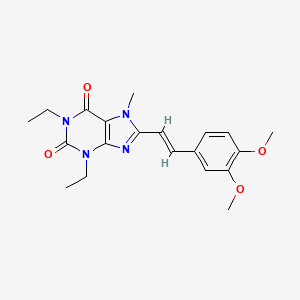
In continuation of my update on Levodopa 
Nourianz (istradefylline) tablets have been approved as an add-on treatment to levodopa/carbidopa for adults with Parkinson disease experiencing "off" episodes, the U.S. Food and Drug Administration announced yesterday.
The drug is available in 20-mg or 40-mg doses, but the maximum recommended dosage in patients taking CYP3A4 inhibitors and those with moderate hepatic impairment is 20 mg once daily. The safety information for Nourianz states that use of the drug should be avoided in these patient populations.
Data from four 12-week placebo-controlled clinical studies demonstrated the effectiveness of Nourianz, a selective adenosine A2A receptor antagonist, in treating "off" episodes in 1,143 PD patients who were receiving treatment with levodopa/carbidopa. Compared with patients who received placebo, patients who received Nourianz experienced a statistically significant decrease in daily "off" time from baseline.
The most commonly reported adverse reactions with Nourianz included dyskinesia, dizziness, constipation, nausea, hallucination, and insomnia. The FDA noted that physicians should monitor patients for the development or progression of dyskinesia while taking Nourianz. A reduction in dosage or stoppage of Nourianz should be considered in the case of hallucinations, psychotic behavior, or impulsive/compulsive behavior. Nourianz should not be used during pregnancy, and women with childbearing potential should use contraception during treatment.
https://pubchem.ncbi.nlm.nih.gov/compound/Istradefylline#section=2D-Structure          https://en.wikipedia.org/wiki/Istradefylline
------------------------------------------------------------------------------------------------------------------------

Friday, January 17, 2020

FDA Approves Nourianz (istradefylline) as an Add-On Drug to Treat Off Episodes in Adults with Parkinson’s Disease

Istradefylline.png

Kyowa Kirin Co., Ltd., (Kyowa Kirin, TYO: 4151) announced the U.S. Food and Drug Administration (FDA) has granted approval for Nourianz (istradefylline) for use as adjunctive treatment to levodopa/carbidopa in adult patients with Parkinson’s disease (PD) experiencing “OFF” episodes.
“We are proud that Nourianz is now ready to help adult patients with Parkinson’s disease in the US,” said Tomohiro Sudo, Head of Global Product Management Office of Kyowa Kirin. “We believe that Nourianz could be an important contributor to improve treatment outcomes. We will keep working to bring the product to patients globally.”
“Kyowa Kirin has a commitment to global health and well-being by creating new value through the pursuit of advances in life sciences and technology particularly in oncology, nephrology, immunology, and the central nervous system,” said Tom Stratford, President of Kyowa Kirin USA Holdings, Inc. “Today's FDA approval of Nourianz is an important milestone and provides US patients with a novel non-dopaminergic once-a-day oral treatment option to be used in conjunction with levodopa/carbidopa for Parkinson’s disease.”
“Today’s approval is the culmination of decades of perseverance in exploring the science and clinical effects of istradefylline and inhibition of adenosine A2A receptor signaling in people with Parkinson’s disease,” said Jeffrey S. Humphrey, MD, Chief Development Officer of Kyowa Kirin Pharmaceutical Development, Inc. “In clinical studies, istradefylline, used as adjunctive treatment to levodopa/carbidopa in adult patients with PD experiencing 'OFF' episodes, was associated with a decrease in OFF Time and increase in ON Time without troublesome dyskinesia. We are grateful for the FDA approval and for the many dedicated scientists and patients whose participation in our research programs has resulted in a new treatment option for Parkinson's disease.”
“Istradefylline is an Adenosine A2A receptor antagonist, and is a novel non-dopaminergic pharmacologic approach to treating OFF episodes for people living with PD,” said Dr. Stuart Isaacson, MD, Parkinson’s Disease and Movement Disorders Center of Boca Raton, Florida. “Based on data from four clinical studies, istradefylline taken as an adjunct to levodopa significantly improved OFF time and demonstrated a well-tolerated safety profile. Istradefylline represents an important new treatment option for patients with Parkinson's disease who experience 'OFF' episodes.”
The FDA approval of Nourianz is based on findings from randomized, multi-center, double-blind, placebo-controlled trials in patients with PD taking a stable dose of levodopa/carbidopa with or without other PD medications.
The Kyowa Kirin Group companies strive to contribute to the health and well-being of people around the world by creating new value through the pursuit of advances in life sciences and technologies.
Please see Nourianz indication and Important Safety Information below.
Indication
Nourianz (istradefylline) is an adenosine receptor antagonist indicated as adjunctive treatment to levodopa/carbidopa in adult patients with Parkinson’s disease (PD) experiencing “off” episodes.
Important Safety Information
Warnings and Precautions
Dyskinesia: Nourianz in combination with levodopa may cause dyskinesia or exacerbate pre-existing dyskinesia. In clinical trials, 1% of patients treated with either Nourianz 20 mg or 40 mg discontinued treatment because of dyskinesia, compared to 0% for placebo.

Thursday, February 21, 2019

Good News, Bad News on Levodopa for Parkinson's Disease


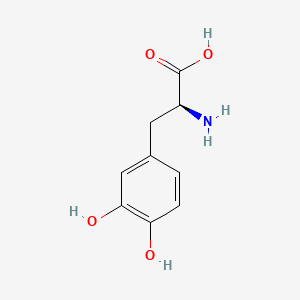
In continuation of my update on L-Dopa
3,4-Dihydroxy-L-phenylalanin (Levodopa).svg
The most potent drug available for Parkinson's disease, levodopa, treats symptoms of the disease but does nothing to either ease or increase its still-mysterious underlying causes, a new clinical trial has concluded.
Doctors often delay prescribing levodopa, or L-dopa, to Parkinson's patients for fear that the drug might have toxic effects that produce jerky involuntary body movements over time.
But patients started on L-dopa nearly a year earlier than a second group did not develop significantly different rates of involuntary movement, results from the new trial show.
"The current study bolsters our confidence that levodopa is safe even in early Parkinson's disease and that patients should not fear it," said Dr. Michael Okun. He's the national medical director of the Parkinson's Foundation and chairman of neurology at the University of Florida in Gainesville.
There's disappointment here as well. While levodopa isn't toxic, it also doesn't appear to provide any protection against progression of Parkinson's in the brain, said Dr. Susan Bressman, co-director of the Mount Sinai Parkinson and Movement Disorders Center in New York City.
"The bottom line is they couldn't show neuroprotection," Bressman said. "Using this very normal dose we normally use, they couldn't show it slows the progression of the disease."
Parkinson's disease is a progressive nervous system disorder. One of its hallmarks is the loss of neurons that produce a brain chemical called dopamine. Low dopamine levels affect a person's control over their movements, causing tremors, rigid muscles and slowness.
Developed more than 50 years ago, L-dopa eases these muscular and movement symptoms. The brain synthesizes levodopa into dopamine and then puts the neurotransmitter to good use.
"Levodopa remains the most important and effective treatment for Parkinson's disease and its introduction has undoubtedly improved morbidity, mortality and quality of life," said Okun, who wasn't part of the trial.
But side effects in some patients cause concern that the drug might have a toxic effect on the brain, researchers noted.
A clinical trial 14 years ago that aimed to clear up the matter only muddied the waters, Bressman said.
The earlier trial found that people taking L-dopa showed improvement even after they stopped taking it, raising hopes that it might be somehow be stemming the progression of Parkinson's.
But brain scans of those patients showed some evidence that levodopa was causing potentially harmful changes to dopamine receptors in the brain, Bressman said.
"We couldn't really prove one way or the other if it's good or bad for the brain," Bressman said. "But the bottom line -- people need it. We don't have a better drug. It's the most potent drug for the symptoms, so you've got to use it, but you don't use a high dose."
The new clinical trial, led by Dr. Rob de Bie from the University of Amsterdam, hoped to clarify results of the older study.
A group of 445 early Parkinson's patients in the Netherlands were randomly assigned to either start levodopa therapy right away, or wait 40 weeks and then start taking the drug.
"The theory is if you get those extra 40 weeks of exposure to levodopa and it's neuroprotective, the earlier group will be in a better place and the late group will never catch up," Bressman said. "They'll always be a little worse because the first group got more of this neuroprotective effect."
But both groups wound up in the same place by week 80 of the trial, with essentially the same rate of disease progression, the Dutch researchers found. The drug didn't provide people in the earlier group any extra protection.
At the same time, neither group suffered greater rates of jerky movements or levodopa-related fluctuations in motor response, discounting concerns over toxic effects.
"Basically, it confirms what we currently do," said Bressman, co-author of an editorial accompanying the study. Both were published in the Jan. 24 issue of New England Journal of Medicine.
"Most people don't start levodopa at first diagnosis, when they have hardly any symptoms, because they don't need it. We don't think the drug is protecting the brain, so we don't start it right away, because it's not going to change what they're going to look like 10 years down the pike," she noted.
"But as soon as they do start to need it, we start it. We use it. And we're judicious in how we use it," Bressman continued.
Hopes for a drug that will directly treat or perhaps even cure Parkinson's now rest on research being done into suspected causes of the disease, she said.
Experts now think Parkinson's is a related group of diseases, each subtype potentially triggered by a different cause, Bressman said.
Drugs are being developed to target genes that have been implicated in Parkinson's for some patients. Future drugs might target inflammation in the brain or other potential causes.
"I think ultimately between the genetics and other biomarkers we find in the spinal fluid or in the blood, we're going to be able to group patients better and figure out the disease mechanisms," Bressman said.
https://en.wikipedia.org/wiki/L-DOPA

Wednesday, January 16, 2019

FDA Approves Inbrija (levodopa inhalation powder) for Intermittent Treatment of OFF Episodes in People with Parkinson’s Disease

In continuation of my update on Levodopa
Levodopa.png

Acorda Therapeutics, Inc. today announced that the U.S. Food and Drug Administration approved Inbrija™ for intermittent treatment of OFF episodes in people with Parkinson’s disease treated with carbidopa/levodopa. OFF episodes, also known as OFF periods, are defined as the return of Parkinson’s symptoms that result from low levels of dopamine between doses of oral carbidopa/levodopa, the standard oral baseline Parkinson’s treatment.
“Today’s approval of Inbrija marks a major milestone for both Acorda and the Parkinson’s community, for whom we are gratified to have developed this much needed therapy,” said Ron Cohen, M.D., Acorda President and CEO. “This milestone resulted from over two decades of research and development, beginning in the laboratory of Dr. Robert Langer at Massachusetts Institute of Technology, through years of enormous perseverance and ingenuity by the entire Acorda team.”
“Despite being on treatment, patients may experience OFF periods as Parkinson’s progresses, which can be disruptive,” said Todd Sherer, Ph.D., CEO, The Michael J. Fox Foundation. “The Foundation provided funding for the early clinical development of Inbrija because patients told us that OFF periods were one of their most serious issues. We knew we had to help address this unmet need, and this approval is a significant step forward for the community as it provides a new option to manage these gaps in symptom control.”
“In the clinical study program, Inbrija established its safety profile and demonstrated clinically meaningful improvements in motor function, as measured by the UPDRS Part III,” said Robert A. Hauser, M.D., MBA, Professor of Neurology and Director of the Parkinson's Disease and Movement Disorders Center at the University of South Florida. “Inbrija helps address a significant unmet need for people with Parkinson’s, and we look forward to adding this new treatment option to our armamentarium.”
FDA approval of Inbrija was based on a clinical program that included approximately 900 people with Parkinson’s on a carbidopa/levodopa regimen experiencing OFF periods. Inbrija is not to be used by patients who take or have taken a nonselective monoamine oxidase inhibitor such as phenelzine or tranylcypromine within the last two weeks.
“I’m delighted that Inbrija has been approved and may be added to patients’ existing Parkinson’s medications for on-demand use, based on individual patient need,” said Burkhard Blank, M.D., Chief Medical Officer of Acorda. “We thank the FDA for a constructive dialogue throughout the development program and their partnership during the review cycle. We especially thank all those who volunteered for the Inbrija clinical trials, without whose commitment new medications could not be developed. And we are grateful for the people living with Parkinson’s, their care partners, researchers, clinicians and advocacy groups, who have all collaborated with us to help achieve this milestone.”


------------------------------------------------------------------------------------------------------------------------


FDA Approves Inbrija (levodopa inhalation powder) for Intermittent Treatment of OFF Episodes in People with Parkinson’s Disease

Monday, April 17, 2017

Leukemia drug increases brain dopamine, lowers toxic proteins linked to Parkinson's or dementia

My updates on  nilotinib


Nilotinib2DACS.svg

A small phase I study provides molecular evidence that an FDA-approved drug for leukemia significantly increased brain dopamine and reduced toxic proteins linked to disease progression in patients with Parkinson's disease or dementia with Lewy bodies. Dopamine is the brain chemical (neurotransmitter) lost as a result of death of dopamine-producing neurons in these neurodegenerative diseases.

Researchers from Georgetown University Medical Center (GUMC), say the findings, described in the Journal of Parkinson's Disease, support improved clinical outcomes observed and first reported at the Society for Neuroscience annual meeting in October 2015.

The study tested nilotinib taken daily for six months. A much smaller dose of nilotinib (150 or 300 mg once daily) was used compared to the dose for chronic myelogenous leukemia (300-400 mg twice daily). Twelve patients were enrolled in the clinical trial — one patient withdrew due to an adverse event. Researchers say the drug appears to be safe and well tolerated in the remaining 11 participants who completed the study.

In addition to safety, the researchers also examined biological markers in the blood and cerebral spinal fluid as well as cognitive, motor and non-motor improvement. They found significant signs that nilotinib may provide benefit for patients with these neurodegenerative diseases.

"These results need to be viewed with caution and further validated in larger placebo controlled trials, because this study was small, the patients were very different from each other, and there was no placebo," says the study's senior investigator, Charbel Moussa, MD, PhD, scientific and clinical research director of the GUMC Translational Neurotherpeutics Program.
Among the biomarker findings were that:

•The level of the dopamine metabolite homovanillic acid — an indicator that dopamine is being produced — steadily doubled, even with the loss of most dopamine neurons. Most study participants were able to stop using, or reduce their use of, dopamine replacement therapies;


•The level of the Parkinson's related oxidative stress marker DJ-1 — an indicator that dopamine-producing neurons are dying — was reduced more than 50 percent after niltonib treatment; and
•The levels of cell death markers (NSE, S100B and tau) were significantly reduced in cerebrospinal fluid (CSF) suggesting reduced neuronal cell death.

In addition, Moussa adds that it appears nilotinib attenuated the loss of CSF alpha-synuclein, a toxic protein that accumulates within neurons, resulting in reduced CSF levels in both Parkinson's disease and dementia with Lewy bodies.

The researchers also said that all 11 patients who tolerated the drug reported meaningful clinical improvements. All patients were at mid-advanced stages of Parkinsonism and they all had mild to severe cognitive impairment.

"Patients progressively improved in motor and cognitive functions as long as they were on the drug — despite the decreased use of dopamine replacement therapies in those participants with Parkinson's and dementia with Lewy bodies," says the study's lead author, Fernando Pagan, MD, medical director of the GUMC Translational Neurotherpeutics Program and director of the Movement Disorders Program at MedStar Georgetown University Hospital.

But three months after withdrawal of the drug, participants returned to the same reduced cognitive and motor state they had before the study began, Pagan adds.

Some serious side effects were reported including one patient who withdrew at week four of treatment due to heart attack and three incidents of urinary tract infection or pneumonia. The researchers say these incidents are not uncommon in this patient population, and additional studies are needed to determine if the adverse events are related to use of nilotinib.


"Long term safety of nilotinib is a priority, so it is important that further studies be conducted to determine the safest and most effective dose in Parkinson's, says Pagan.

The researchers designed the clinical trial to translate several notable observations in the laboratory. The preclinical studies, led by Moussa, showed that nilotinib, a tyrosine kinase inhibitor, effectively penetrates the blood-brain barrier and destroys toxic proteins that build up in Parkinson's disease and dementia by turning on the "garbage disposal machinery" inside neurons.

Their published studies also showed nilotinib increases the levels of the dopamine neurotransmitter — the chemical lost as a result of neuronal destruction due to toxic protein accumulation — and improves motor and cognitive outcomes in Parkinson's and Alzheimer's disease animal models.

"Our hope is to clarify the benefits of nilotinib to patients in a much larger and well controlled study. This was a very promising start," Moussa says. "If these data hold out in further studies, nilotinib would be the most important treatment for Parkinsonism since the discovery of Levodopa almost 50 years ago."

He adds, "Additionally, if we can validate nilotinib effects on cognition in upcoming larger and placebo controlled trials, this drug could become one of the first treatments for dementia with Lewy bodies, which has no cure, and possibly other dementias."

Two randomized, placebo-controlled phase II clinical trials are planned for summer/fall in Parkinson's and Alzheimer's diseases. The Translational Neurotherpeutics Program is also planning a small trial in ALS (Lou Gherig's disease).

According to Novartis, the cost (as of Oct. 2015) of nilotinib for the treatment of CML was about $10,360 a month for 800 mg daily. The dose used in this study was lower — 150 and 300 mg daily.


Thursday, March 10, 2016

Opicapone simplifies levodopa-related motor fluctuation treatment

Once-daily opicapone is effective for the treatment of end-of-dose motor fluctuations in patients receiving levodopa for Parkinson’s disease, phase III study findings show.

http://www.chemspider.com/

The results indicate that at a dose of 50 mg/day the drug, a potent third-generation catechol-O-methyltransferase (COMT) inhibitor, was superior to placebo and non-inferior to entacapone (200 mg with each levodopa dose) in reducing the absolute time patients spent in the off state.

The magnitude of effect with opicapone was greater that than of entacapone, with a 26.2 minute greater reduction in the time spent in the off state after 14–15 weeks of treatment and a 60.8 minute greater reduction compared with placebo.

Opicapone 50 mg “is, therefore, the only once-daily COMT inhibitor to provide a mean reduction in time in the off state that is clinically relevant,” say Patrício Soares-da-Silva (BIAL, Coronado, Portugal) and team.

The average changes from baseline in time spent in the off state over a 24-hour period were 116.8 minutes in 115 patients taking opicapone 50 mg/day, 96.3 minutes in 120 patients taking entacapone and 56.0 minutes in the placebo group.

Opicapone 25 mg and 5 mg were also tested in 116 and 119 patients, respectively, but the effects of these doses on the time patients spent in the off state did not differ significantly from that of placebo.

The researchers note in The Lancet Neurology that, in addition to greater reductions in the time patients spent in the off state, opicapone 50 mg was associated with greater increases in the percentage of time patients spent in the on state without troublesome dyskinesia, with a 5.4% difference compared with placebo and a 1.2% difference compared with entacapone.

Improvements in global symptoms were seen in significantly more patients taking opicapone 50 mg than in those taking entacapone, and while numerical improvements in motor symptom scores were seen in all groups, differences between active treatment and placebo groups were not significant.

Thursday, December 24, 2015

Drug used to treat Parkinson's and related diseases may delay or prevent macular degeneration


3,4-Dihydroxy-L-phenylalanin (Levodopa).svg


In continuation of my update on L-DOPA


In a major scientific breakthrough, a drug used to treat Parkinson's and related diseases may be able to delay or prevent macular degeneration, the most common form of blindness among older Americans.

The findings, published in the American Journal of Medicine, are a groundbreaking effort in the fight against age-related macular degeneration (AMD), which affects as many as 11 million Americans. AMD hinders central vision, and even when it does not lead to blindness it can severely reduce the ability to read, drive, and recognize faces.

In the study, supported in part by BrightFocus Foundation, researchers discovered a biological connection between darker pigmented eyes, which are known to be resistant to AMD, and increased levels of a chemical called L-DOPA in those eyes. Since L-DOPA is frequently prescribed for Parkinson's patients, the researchers wanted to know whether patients who received the drug L-DOPA as treatment for Parkinson's or other diseases were protected from AMD. By combing through massive databases of medical chart data, they reported that patients receiving L-DOPA were significantly less likely to get AMD, and when they did, its onset was significantly delayed.

Tuesday, November 10, 2015

L-DOP A drug may delay or prevent age-related macular degeneration


3,4-Dihydroxy-L-phenylalanin (Levodopa).svg


In continuation of my update on L-DOPA

A drug already used safely to treat Parkinson's disease, restless leg syndrome and other movement disorders also could delay or prevent the most common cause of blindness affecting more than 9 million older Americans - age-related macular degeneration (AMD).

Researchers have discovered that patients who take the drug L-DOPA are significantly less likely to develop AMD, and if they do get AMD it's at a significantly older age, according to the study published online Nov. 4 in the American Journal of Medicine. The retrospective study was led by researchers at Marshfield Clinic Research Foundation, University of Arizona, Medical College of Wisconsin, University of Miami, Essentia Health, Stanford University and University of Southern California.

"Research points to this as a pathway to regulate and prevent this most common cause of blindness in adults," said Murray Brilliant, Ph.D., director, Marshfield Clinic Research Foundation Center for Human Genetics, Marshfield, Wisconsin. "Imagine telling patients we potentially have medication that will allow them to see and continue enjoying life, their family and perform every day activities as they age. That is very powerful."

AMD, the No. 1 cause of legal blindness in adults over 60, is a progressive eye condition affecting as many as one in three adults. The disease attacks the macula of the eye, where the sharpest central vision occurs, causing central blindness. This vision is used to drive, read, recognize faces and perform daily tasks. AMD spares the peripheral vision, leaving dim images or black holes at the center of vision.

L-DOPA is a natural by-product of pigmentation and is made in a layer of cells in the back of the eye that functions to promote health and survival of retinal tissues. Researchers asked the question if people taking L-DOPA as a medicine are protected from AMD.

"The obvious question was if the L-DOPA no longer produced was supplemented via pill form, does it have the potential to serve as a preventive medicine against AMD," Brilliant said. "We need more research, but this first step is promising."

Monday, March 16, 2015

Newron, Zambon announce re-submission of safinamide NDA to FDA

In continuation of my update on safinamide 

Newron Pharmaceuticals S.p.A. ("Newron"), a research and development company focused on novel CNS and pain therapies, and its commercial and development partner Zambon S.p.A., an international pharmaceutical company, announced  that the NDA for safinamide has been re-submitted to the US FDA. This follows the announcement last week that the CHMP has given a positive opinion on safinamide for Europe.

The submission covers the indications "safinamide as add-on therapy to a stable dose of a single dopamine agonist" in early Parkinson's disease patients and "safinamide as add-on therapy to levodopa alone or in combination with other Parkinson's disease treatments" in mid-to late stage Parkinson's disease patients.

The first submission of safinamide to the US FDA was made in May 2014. On review, the FDA issued a Refusal to File (RTF) letter based on organizational and navigational problems, largely due relating to the hyperlinking of tables, folders and the organization of the table of contents in the submission.

Ravi Anand, Newron's CMO, stated: "Newron has been in frequent contact with the FDA to propose solutions to the technical issues and obtain their concurrence with the proposals. These discussions lead Newron to conclude that the RTF issues have been addressed in this submission."

Friday, March 29, 2013

New drugs may improve quality of life for people with Parkinson's disease


In the study, 225 people were randomized to receive either eight weeks of stable dose treatment with a placebo or the drug droxidopa, (see structure)  

 
which converts to norepinephrine. After one week of stable treatment, those who received the drug had a clinically meaningful, two-fold decrease in the symptoms of dizziness and lightheadedness, when compared to placebo. They also had fewer falls, or 0.38 falls per patient per week, compared to 1.73 for those receiving a placebo on average over the entire 10-week study duration.

The second study looked at treatment with a new drug for "wearing-off" that occurs with people who have been taking levodopa for several years. As each dose wears off, people experience longer periods of time where the motor symptoms do not respond to levodopa. For the study, 420 people who were experiencing an average of six hours of "off" time per day received a placebo or one of four dosages of the drug tozadenant in addition to their levodopa for 12 weeks. People receiving two of the dosages of the drug had slightly more than an hour less off time per day at the end of 12 weeks than they had at the start of the study. They also did not have more troublesome involuntary movements during their "on" time, called dyskinesia, that can occur. 
 
The third study looked at 321 people with early Parkinson's disease whose symptoms were not well-controlled by a dopamine agonist drug. For the 18-week study, the participants took either the drug rasagiline or a placebo in addition to their dopamine agonist. At the end of the study, those taking rasagiline had improved by 2.4 points on a Parkinson's disease rating scale. In addition, rasagiline was well tolerated with adverse events similar to placebo.