In continuation of my update on Niraparib
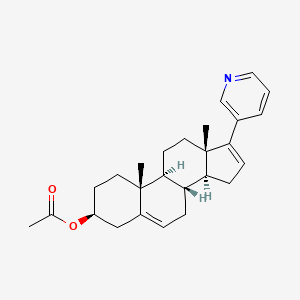
For patients with metastatic castration-sensitive prostate cancer (mCSPC) with homologous recombination repair (HRR) gene alterations, the addition of niraparib to abiraterone acetate and prednisone (AAP) is beneficial, according to a study published online Oct. 7 in Nature Medicine.
Gerhardt Attard, M.D., Ph.D., from University College London, and colleagues conducted a double-blind trial that evaluated combining niraparib with AAP versus placebo and AAP in mCSPC with HRR gene alterations. A total of 696 patients were randomly assigned to niraparib or placebo (348 each).
Of the patients, 56 percent had BRCA1 or BRCA2 alterations and 78 percent had high-volume metastases. The researchers first observed significant improvement in radiographic progression-free survival in the BRCA subgroup (median not reached at the time of analysis for the niraparib and AAP group versus 26 months for the AAP group; hazard ratio, 0.52). Significant improvement was also seen in the intention-to-treat population (hazard ratio, 0.63). For overall survival, the data were immature but favored niraparib. The incidence of grade 3 or 4 adverse events was 75 and 59 percent in the niraparib and placebo groups, respectively; in the niraparib and AAP group, the most frequent adverse event was anemia (29 percent), with 25 percent of patients needing a blood transfusion.
"For cancers with a mutation in one of the eligible HRR genes, where niraparib has been approved, a doctor should consider a discussion that balances the risks of side effects against the clear benefit to delaying disease growth and worsening symptoms," Attard said in a statement.
Several authors disclosed ties to the biopharmaceutical industry, including Johnson & Johnson, which funded the study.
Abstract/Full Text
https://en.wikipedia.org/wiki/Niraparib