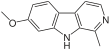
Aflibercept is a combination of fluorouracil, leucovorin, and irinotecan,
Saturday, June 13, 2026
Eylea HD (aflibercept) Approved by FDA for the Treatment of Macular Edema Following Retinal Vein Occlusion (RVO) and for Monthly Dosing Across Approved Indications
Aflibercept is a combination of fluorouracil, leucovorin, and irinotecan,
Monday, April 27, 2026
Finerenone shows superior survival and kidney protection over spironolactone in diabetic kidney disease
The study, published in Nature Communications, analyzed real-world clinical data from over 2,200 patients across global health databases, using an advanced "target trial emulation" framework to mimic randomized clinical trials.
A safer and more effective alternative
Among adults with CKD and T2D, treatment with finerenone led to:
- 69% lower all-cause mortality (adjusted hazard ratio 0.31)
- 53% lower risk of kidney failure or rapid kidney decline (MAKE)
- 26% fewer cardiovascular complications (MACE)compared to spironolactone.
Moreover, finerenone users experienced fewer episodes of hyperkalemia (high blood potassium), a common side effect that often limits spironolactone use.
"Finerenone appears not only safer but also more effective in protecting both the heart and kidneys," said Professor Vin-Cent Wu, senior author and nephrologist at National Taiwan University Hospital. "Our findings provide real-world confirmation that this drug may transform care for diabetic kidney disease."
Advanced analytics with real-world evidence
Using the Global Health Network, encompassing over 146 health care systems worldwide, the team applied target trial emulation—a novel data-science approach—to overcome the limitations of traditional observational studies.
This method enabled researchers to simulate the design of a randomized clinical trial using real-world data, yielding robust comparative results that align with previous landmark studies (FIDELIO-DKD and FIGARO-DKD).
"This is the first real-world head-to-head comparison of finerenone and spironolactone," noted Dr. Chung-An Wang, first author. "The results show that finerenone provides meaningful survival benefits even over a relatively short 1.3-year follow-up
Clinical implications
Both finerenone and spironolactone block the effects of the hormone aldosterone, which contributes to inflammation and fibrosis in the kidneys and heart.
However, finerenone's more selective mechanism reduces the risk of electrolyte disturbances while maintaining strong protective effects on organ health.
This study suggests that finerenone could become a preferred treatment for patients with CKD and T2D, particularly those at higher risk of cardiovascular or renal complications.
"These results could help refine international treatment guidelines and improve outcomes for millions of people living with diabetic kidney disease," said Professor Wu.
The study applied a rigorous target trial emulation framework using global real-world data from over 2,000 matched patients across 21 countries, closely mirroring a randomized clinical trial.
By employing propensity score matching to balance key clinical variables, the study minimized bias and produced consistent, statistically robust results showing finerenone's lower risks of death, kidney failure, and cardiovascular events compared with spironolactone.
Supported by strong biological rationale, transparent methodology, and public data sharing, the findings are credible, reproducible, and clinically meaningful for improving outcomes in diabetic kidney disease.
https://en.wikipedia.org/wiki/Finerenone
Monday, November 3, 2025
FDA Approves Journavx (suzetrigine), a First-in-Class Treatment for Adults With Moderate-to-Severe Acute Pain
Vertex Pharmaceuticals Incorporated (Nasdaq: VRTX) announced U.S. Food and Drug Administration (FDA) approval of Journavx (suzetrigine), an oral, non-opioid, highly selective NaV1.8 pain signal inhibitor for the treatment of adults with moderate-to-severe acute pain. Journavx is an effective, well-tolerated medicine without evidence of addictive potential indicated for use across all types of moderate-to-severe acute pain.
“Today’s approval is a historic milestone for the 80 million people in America who are prescribed a medicine for moderate-to-severe acute pain each year,” said Reshma Kewalramani, M.D., Chief Executive Officer and President of Vertex. “With the approval of Journavx, a non-opioid, pain signal inhibitor and the first new class of pain medicine approved in more than 20 years, we have the opportunity to change the paradigm of acute pain management and establish a new standard of care.”
“This is an incredible day for patients and physicians alike who now have an approved non-opioid treatment that delivers effective acute pain relief and a favorable safety profile without addictive potential,” said Jessica Oswald, M.D., M.P.H., Associate Physician in Emergency Medicine and Pain Medicine in San Diego and Vertex Acute Pain Steering Committee Member. “I believe Journavx could redefine the management of pain and become a foundational treatment option for people with all types of moderate-to-severe acute pain, where options aside from opioids have been so desperately needed.”
As part of Vertex’s ongoing commitment to patients, the company has established patient support programs to help ensure that qualified patients can access Journavx. For more information visit Journavx.com.
About Acute Pain
Acute pain is a serious and potentially disabling condition often caused by surgery, accident or injury. Over 80 million Americans are prescribed medicine to treat their moderate-to-severe acute pain every year. Of these, about 40 million are prescribed an opioid. Nearly 10% of acute pain patients treated initially with an opioid will go on to have prolonged opioid use, and about 85,000 patients will develop opioid use disorder annually. Poorly controlled acute pain can lead to reduced quality of life, development of chronic pain, and increased burden on the health care system and society.
About Journavx (suzetrigine)
Journavx (suzetrigine) is a first-in-class, oral, non-opioid, highly selective pain signal inhibitor that is selective for NaV1.8 relative to other NaV channels. NaV1.8 is a voltage-gated sodium channel that is selectively expressed in peripheral pain-sensing neurons (nociceptors), where its role is to transmit pain signals (action potentials). Because Journavx blocks pain signals only found in the periphery, not in the brain, Journavx provides effective relief of pain without the limitations of currently available therapies, including the addictive potential of opioids.
The U.S. Food and Drug Administration approved twice-daily Journavx for the treatment of adults with moderate-to-severe acute pain. Vertex has established a wholesale acquisition cost for Journavx in the United States of $15.50 per 50mg pill.
Vertex is also evaluating suzetrigine in peripheral neuropathic pain (PNP). The company’s Phase 3 pivotal program for suzetrigine in patients with painful diabetic peripheral neuropathy is ongoing, and Vertex plans to advance its pivotal program evaluating suzetrigine in patients with painful lumbosacral radiculopathy pending discussions with regulators.
INDICATION and IMPORTANT SAFETY INFORMATION
INDICATION AND USAGE
Journavx is a prescription medicine used to treat adults with moderate-to-severe short term (acute) pain.
It is not known if Journavx is safe and effective in children.
IMPORTANT SAFETY INFORMATION
Patients should not take Journavx if they take certain medicines that are strong inhibitors of an enzyme called CYP3A. Patients should ask their healthcare providers if they are not sure.
Before taking Journavx, patients should tell their healthcare provider about all of their medical conditions, including if they: have liver problems. People with liver problems may have an increased risk of getting side effects from taking Journavx; are pregnant or plan to become pregnant as it is not known if Journavx will harm an unborn baby. Patients and their healthcare providers should decide if they will take Journavx while they are pregnant, are breastfeeding, or are planning to breastfeed, as it is not known if Journavx passes into breast milk. Patients and their healthcare providers should decide if they will take Journavx while they are breastfeeding.
Patients should tell their healthcare provider about all the medicines they take, including prescription and over-the-counter medicines, vitamins, and herbal supplements. Taking Journavx with certain other medicines may affect the way Journavx and the other medicines work and may increase patients’ risk of side effects. Patients should ask their healthcare provider or pharmacist for a list of these medicines if they are not sure.
Patients should especially tell their healthcare provider if they take hormonal birth control medicine (contraceptives) containing progestins other than levonorgestrel or norethindrone. If they take one of these contraceptives (progestins other than levonorgestrel or norethindrone), they may not work as well during treatment with Journavx. Patients should also use nonhormonal contraceptives such as condoms or use other forms of hormonal birth control during treatment with Journavx and for 28 days after they stop taking Journavx. Medicines that are substrates of the CYP3A enzyme may become less effective during treatment with Journavx. Their healthcare provider may need to adjust the dose of patients’ medicine when starting or stopping Journavx. Patients should know the medicines they take and keep a list of them to show their healthcare provider and pharmacist when they get a new medicine. Patients should not take food or drink containing grapefruit while taking Journavx.
Journavx can cause side effects: The most common side effects for patients treated with Journavx include itching, muscle spasms, increased blood level of creatine phosphokinase, and rash. Journavx may temporarily reduce the chance of females becoming pregnant while on treatment. Patients should talk to their healthcare provider if they have concerns about becoming pregnant. If patients are using contraceptives, continue to use contraceptives during treatment with Journavx. Patients should tell their healthcare provider if they have any side effect that bothers them or that does not go away. These are not all of the possible side effects of Journavx. Patients should call their healthcare provider for medical advice about side effects. Patients may report side effects to the FDA at 1-800-FDA-1088.
About Vertex
Vertex is a global biotechnology company that invests in scientific innovation to create transformative medicines for people with serious diseases. The company has approved medicines that treat the underlying causes of multiple serious diseases and conditions — cystic fibrosis, sickle cell disease, transfusion-dependent beta thalassemia and acute pain — and continues to advance clinical and research programs in these areas. Vertex also has a robust clinical pipeline of investigational therapies across a range of modalities in other serious diseases where it has deep insight into causal human biology, including neuropathic pain, APOL1-mediated kidney disease, IgA nephropathy, primary membranous nephropathy, autosomal dominant polycystic kidney disease, type 1 diabetes and myotonic dystrophy type 1.
Wednesday, June 25, 2025
FDA Approves Arbli (losartan potassium) Oral Suspension as the First Ready-to-Use Oral Liquid Losartan in the U.S.
In continuation of my update on losartan
Scienture Holdings, Inc. announced the U.S. Food and Drug Administration (FDA) approval of SCN-102, one of the products being developed by Scienture, LLC, a wholly owned subsidiary of Scienture Holdings, Inc., with the brand name Arbli (losartan potassium) Oral Suspension, 10 mg/mL. Arbli is meant for the treatment of hypertension in patients greater than 6 years old, for the reduction of risk of stroke in patients with hypertension and left ventricular hypertrophy and for the treatment of diabetic nephropathy in certain patients with type 2 diabetes. Arbli is the first and only FDA approved ready-to-use oral liquid losartan in the U.S. market.
Arbli is a novel proprietary formulation of losartan, a proven therapy for treating hypertension, which provides a tailored approach to patients that require or prefer an oral liquid option of losartan. Appropriate dosing is now easier, safe and effective, while providing the assurance of quality as an FDA-approved product. Arbli provides a safe and convenient option to patients requiring a liquid formulation and addresses the intrinsic risks associated with potential inconsistencies in the process of crushing tablets to extemporaneously compound losartan prescriptions. Arbli has two issued patents from the USPTO, which are also expected to be listed in the FDA Orangebook.
Losartan is classified as an angiotensin receptor blocker (ARB) for treating hypertension and is one of the highest prescribed molecules for this indication. Current products in the market containing losartan are available only as oral solids, which can be further compounded to a liquid formulation. Arbli is the first liquid formulation of losartan on the market that does not require compounding and has reduced dosing volume and long-term shelf life at room temperature storage. IQVIA data (MAT December 2024) indicates a total annual sales of approximately $292 million and a prescription volume of 68 million (TRx) for losartan in the US market.
“The approval of Arbli exemplifies our deep commitment to develop high value products that address unique and underserved patient needs. A significant number of patients can benefit from a safe and efficacious ready-to-use oral liquid formulation of losartan. We are excited with the approval of our first brand product which is part of our upcoming pipeline of novel specialty products,” remarked Shankar Hariharan, CEO of Scienture, LLC.
“We are pleased to bring to market, Arbli, a transformative therapy option containing losartan, one of the most widely prescribed molecules in its class, to patients, caregivers and healthcare professionals (HCPs). We expect to commercially launch and make Arbli available to patients in the U.S. in Q3 2025,” said Narasimhan Mani, President of Scienture, LLC.
“This announcement is extremely exciting and is a clear demonstration of the value Scienture, LLC brings to the combined company and its shareholders,” said Suren Ajjarapu, Chairman of the Board, Scienture Holdings, Inc.
Monday, March 4, 2024
FDA Approves Brenzavvy (bexagliflozin) for the Treatment of Adults with Type 2 Diabetes
The FDA approval is based on results from a clinical program that evaluated the safety and efficacy of Brenzavvy in 23 clinical trials enrolling more than 5,000 adults with type 2 diabetes mellitus. Phase 3 studies showed Brenzavvy significantly reduced hemoglobin A1c and fasting blood sugar after 24 weeks, either as a monotherapy, in combination with metformin, or as an add-on to standard-of-care treatment consisting of a variety of regimens, including metformin, sulfonylureas, insulin, DPP4 inhibitors, or combinations of these agents. Although Brenzavvy is not approved for weight or blood pressure reduction, modest decreases in both weight and systolic blood pressure have been observed in the clinical program.
“As a class of drugs, SGLT2 inhibitors have shown tremendous benefit in treating adults with type 2 diabetes,” said Dr. Mason Freeman, M.D., Director of the Translational Research Center at Massachusetts General Hospital. “Being involved in all of the clinical trials for Brenzavvy, I am greatly impressed with the efficacy of the drug in reducing blood glucose levels and I believe it is an important addition to the SGLT2 inhibitor class of drugs.”
Brenzavvy treatment can be initiated in adults with type 2 diabetes with an estimated glomerular filtration rate (eGFR) greater than 30 mL/min/1.73 m2. Patients with eGFR less than 60 and greater than 30 mL/min/1.73 m2 are said to be in stage 3 chronic kidney disease, and for these patients metformin is often avoided due to the risk of lactic acidosis.
“Today's FDA approval represents a significant milestone for TheracosBio and provides an important treatment option to patients who suffer from type 2 diabetes. We look forward to bringing Brenzavvy to market,” said Albert R. Collinson, Ph.D., President and CEO of TheracosBio. “The approval of the Brenzavvy NDA is a result of the tireless work of the TheracosBio team and investigators. I want to thank all of the patients who took part in our clinical trials.”
According to the U.S. Centers for Disease Control and Prevention, more than 33 million Americans have type 2 diabetes, which means their bodies don’t use insulin correctly and as a result their blood sugar levels are too high. While some people can control their blood sugar levels with exercise and a healthy diet, others may need additional help to achieve good blood sugar (glycemic) control.
SGLT2 inhibitors are a class of prescription medicines that lower blood sugar by causing the kidneys to remove sugar from the body through urine.
Brenzavvy is available as 20 mg oral tablets recommended to be taken once daily, in the morning with or without food.
Thursday, July 21, 2022
FDA Approves Amvuttra (vutrisiran) for the Treatment of the Polyneuropathy of Hereditary Transthyretin-Mediated Amyloidosis in Adults
Friday, June 11, 2021
Melatonin shown to protect kidney damage caused by obesity with diabetes
Specifically, in two new studies recently published in the Journal of Clinical Medicine and Pharmaceuticals, researchers have developed an obese and diabetic rodent model and have shown that melatonin protects from kidney damage caused by diabesity.
The scientists have shown that chronic administration of melatonin at doses (10 mg/kg body weight/day) prevents mitochondrial and endoplasmic reticulum disruption, which play a critical role in the development and pathogenesis of kidney cell (nephron) damage, and its progression to renal failure.
Thus, it has been shown that melatonin prevents the impairment of the function and dynamics of cellular mitochondria, decreasing the increased production of oxygen free radicals (responsible for oxidative stress). It also prevents pathological alteration in the function of the endoplasmic reticulum (another cell cytoplasmic organelle), which, in conditions of abnormally high oxidative stress, is related to an increase in programmed cell death (of the nephron) leading to the loss of renal functionality, as a preliminary step to the development of renal failure and the need for hemodialysis or transplantation.
The studies coordinated by the UGR show the efficacy of melatonin in halting the progression of renal damage mediated by mitochondrial damage and excess endoplasmic reticulum stress.
As the lead author of this study, Ahmad Agil, a researcher at the Department of Pharmacology of the UGR, says, "Kidney damage is caused by metabolic complications of obesity, such as diabetes, hypertension, blood lipid disorders or fatty liver disease. Given that the prevalence of these pathologies (collectively recognized as metabolic syndrome) continues to increase, kidney damage and its progression over time to kidney failure has become a health problem that affects millions of people worldwide, with a great socioeconomic cost, requiring hemodialysis facilities and/or kidney transplant services, with the corresponding compatibility studies required."
The importance of the work lies not only in the efficacy of melatonin in counteracting the two proposed mechanisms of renal damage (based on the alteration of mitochondrial function and dynamics and the function of the endoplasmic reticulum (ER)), but they also propose an alternative preventive treatment that would improve this renal function with a well-studied drug with a very high safety profile such as melatonin, which is a drug that in the EU must be prescribed by a doctor and is already administered in the treatment of insomnia.
The new findings have also been associated with an improvement in glomerular filtration rate and renal damage of the nephron, manifested in a decrease in creatinine clearance levels (the best marker of renal function), proteinuria, and in the improvement of renal structure, observed after histopathological study of the kidney.
These results are in line with those previously published by these researchers in the last 10 years, demonstrating that the pharmacological administration of melatonin constitutes another new strategy in the therapeutic approach to diabesity (central obesity and its type 2 diabetes) and its complications (such as hepatic steatosis, hypertension, lipid alteration, etc.).
"Our main challenge is the application of melatonin and other strategies such as intermittent fasting in the field of medicine, especially to address the possibility of a treatment perspective for the aforementioned pathologies (diabesity and its complications) that involve an increase in oxidative stress, and mitochondrial damage and associated meta-inflammation (inflammation of metabolic origin)," Agil says.
According to the results, melatonin could help treat kidney damage, which establishes the need to develop new clinical trials to test its effectiveness in humans. The next step is to investigate how it helps in the maintenance of mitochondrial and endoplasmic reticulum homeostasis, and to a greater extent, if melatonin therapy would allow delaying or stopping progressive renal damage by promoting its chronic pharmacological use in kidney repair and regeneration.
Wednesday, April 7, 2021
Acid reflux drug may be a promising therapy to reduce preterm birth
Finding progesterone on the list was a promising validating step. Four of the drugs on our list have seen effectiveness in past studies that were either experimental or retrospective. This leads us to believe in the biology behind the identification of these drugs."Brian Le, PhD, postdoctoral scholar in the UCSF Department of Pediatrics and the Bakar Computational Health Sciences Institute, and the first author of the study
Monday, April 5, 2021
Novel drug combination discovered to induce high rates of human beta cell proliferation
We are very excited about this new drug combination because for the first time ever, we are able to see rates of human beta cell replication that are sufficient to replenish beta cell mass in humans with diabetes."Andrew Stewart, MD, Director of the Mount Sinai Diabetes, Obesity, and Metabolism Institute and lead author of the study
Wednesday, March 31, 2021
Statin use alone or with metformin may increase survival in high-risk prostate cancer patients
With respect to prostate mortality, metformin plus statin was associated with a 36% reduction in risk of death followed by statins alone. Those taking metformin alone were relatively rare, and there was no significant association with all-cause mortality."
Wednesday, March 24, 2021
Team finds that their cancer-fighting compound fights obesity and diabetes, too
Wednesday, April 22, 2020
FDA Approves Trijardy XR (empagliflozin/linagliptin/metformin) for Type 2 Diabetes in Adults
"The approval of Trijardy XR reflects our commitment to the diabetes community and to innovation that addresses evolving needs," said Jeff Emmick, M.D. Ph.D., vice president, Product Development, Lilly. "We developed Trijardy XR because many people with type 2 diabetes need help managing this complex condition without adding more pills to their treatment plan. We look forward to making this new option available soon."