Tuesday, May 12, 2015

Treatment reduces risk of recurrence of C. difficile infection

In continuation of my update on metronidazole  &  vancomycin

Among patients with Clostridium difficile infection (CDI) who recovered following standard treatment with the antibiotics metronidazole or vancomycin, oral administration of spores of a strain of C difficilethat does not produce toxins colonized the gastrointestinal tract and significantly reduced CDI recurrence, according to a study in the May 5 issue of JAMA.

C difficile is the cause of one of the most common and deadly health care-associated infections, linked to 29,000 U.S. deaths each year. Rates of CDI remain at unprecedented high levels in U.S. hospitals. Clinical infection also has a recurrence rate of 25 percent to 30 percent among affected patients. Not all strains of C difficile produce toxins. Nontoxigenic C difficile strains that lack the genes for toxin production are also found in the hospital environment and can colonize hospitalized patients, although patients are usually asymptomatic. Gastrointestinal colonization by these nontoxigenic C difficilestrains (in both humans and hamsters) has shown promising results as a potential way to prevent CDI, according to background information in the article.

Dale N. Gerding, M.D., of the Edward Hines Jr. VA Hospital, Hines, Il., and Loyola University Chicago, Maywood, Il., and colleagues randomly assigned 173 adult patients who were diagnosed as having CDI (first episode or first recurrence) to receive 1 of 4 treatments: oral liquid formulation of nontoxigenic C difficile strain M3 (VP20621; NTCD-M3), 104 spores/d for 7 days (n = 43), 107 spores/d for 7 days (n = 44), 107 spores/d for 14 days (n = 42), or placebo for 14 days (n = 44). Prior to enrollment, these patients had all successfully completed treatment with metronidazole, oral vancomycin, or both at 44 study centers in the United States, Canada, and Europe.

Monday, May 11, 2015

Taiho Oncology announces acceptance of TAS-102 NDA for review by FDA


Taiho Oncology, Inc., a subsidiary of Taiho Pharmaceutical Co., Ltd. (Japan), today announced the New Drug Application (NDA) for TAS-102 (nonproprietary names: trifluridine and tipiracil hydrochloride), has been accepted for review by the U.S. Food and Drug Administration (FDA). TAS-102 is an oral combination investigational anticancer drug for the treatment of refractory metastatic colorectal cancer (mCRC).

TAS-102 is an investigational drug candidate for metastatic colorectal cancer. It is a combination of two active pharmaceutical ingredientstrifluridine, (see left structure) Trifluridine structure.svg Tipiracil.svg
a nucleoside analog (see right structure), and tipiracil hydrochloride, a thymidine phosphorylase inhibitor. Tipiracil hydrochloride prevents rapid metabolism of trifluiridine, increasing the bioavailability of trifluiridine.


"The FDA's filing of the TAS-102 NDA represents a significant milestone for our company and underscores the need for new treatment options for patients with refractory metastatic colorectal cancer," said Eric Benn, Taiho Oncology's president and chief executive officer. "Today, we are one step closer to our ultimate goal of gaining regulatory approval for TAS-102 and making it available to patients in the USA with this serious medical condition. We look forward to working closely with the FDA during the NDA review."


Friday, May 8, 2015

Anticoagulant fondaparinux lowers risk of major bleeding events, death in heart attack patients


 Fondaparinux.svg

Patients who experienced a certain type of heart attack who received the anticoagulant fondaparinux had a lower risk of major bleeding events and death both in the hospital and after six months compared to patients who received low-molecular-weight heparin (LMWH), although both groups had similar rates of subsequent heart attack or stroke, according to a study in the February 17 issue of JAMA.

Reducing bleeding events in patients receiving antithrombotic therapy is important since bleeding events are associated with increased mortality. Fondaparinux was associated with reduced major bleeding events and improved survival compared with LMWH (a class of anticoagulant medications) in a large randomized clinical trial involving patients with non-ST-segment elevation myocardial infarction (NSTEMI; a certain pattern on an electrocardiogram following a heart attack). Large-scale experience of the use of fondaparinux vs LMWH outside of a clinical trial setting has been lacking, according to background information in the article.

Karolina Szummer, M.D., Ph.D., of the Karolinska Institutet, Stockholm, Sweden, and colleagues analyzed data from a Swedish registry that included 40,616 patients with NSTEMI who received in-hospital treatment with fondaparinux or LMWH between September 2006 through June 2010, with follow-up through December 2010.

Thursday, May 7, 2015

New compound appears to play role in development of opioid tolerance

While opioids are a widely used treatment for pain, patients who take them on a regular basis can become tolerant, requiring a higher dose for continued pain relief. In a study published in Anesthesiology, the official medical journal of the American Society of Anesthesiologists® (ASA®), researchers identified a compound that appears to play a role in the development of opioid tolerance. It may be possible to lessen the development of opioid tolerance if that compound is neutralized or blocked in patients taking opioids chronically for severe pain.

"Opioid tolerance is a growing problem among chronic pain patients and cancer patients in particular," said Chih-Peng Lin, M.D., assistant professor, Department of Anesthesiology, National Taiwan University College of Medicine. "We found that CXCL1, a protein produced by spinal cord tissue, contributes to opioid tolerance. By neutralizing CXCL1 in patients, we might help solve the problem of opioid tolerance."

Wednesday, May 6, 2015

Alcon Receives FDA Approval of Pazeo (olopatadine HCl) Ophthalmic Solution for Allergic Conjunctivitis


Olopatadine.svg


Olopatadine hydrochloride is an antihistamine (as well as anticholinergic and mast cell stabilizer), sold as a prescription eye drop (0.2% solution, Pataday (or Patanol S in some countries), manufactured by Alcon). It is used to treat itching associated with allergic conjunctivitis (eye  allergies). Olopatadine hydrochloride 0.1% is sold as Patanol (or Opatanol in some countries). A decongestant nasal spray formulation is sold as Patanase, which was approved by the FDA on April 15, 2008.  It is also available as an oral tablet in Japan under the tradename Allelock, manufactured by Kyowa Hakko Kogyo.

Alcon, the global leader in eye care and a division of Novartis, has received approval from the U.S. Food and Drug Administration (FDA) of Pazeo (olopatadine hydrochloride ophthalmic solution) 0.7%, for the treatment of ocular itching associated with allergic conjunctivitis. Pazeo solution is dosed one drop daily, and was approved with efficacy data at 24 hours, post dose.

Alcon Receives FDA Approval of Pazeo (olopatadine HCl) Ophthalmic Solution for Allergic Conjunctivitis

Eliglustat drug improves liver, spleen size and hemoglobin level in adults with Gaucher disease type 1


In continuation of my update on eliglustat  


Eliglustat.svg


Among previously untreated adults with Gaucher disease type 1, a genetic disease in which there is improper metabolism due to a defect in an enzyme, treatment with the drug eliglustat resulted in significant improvements in liver and spleen size hemoglobin level, and platelet count, according to a study in the February 17 issue of JAMA.

Gaucher disease type 1 is characterized by enlargement of the spleen and liver, anemia, low blood platelets, chronic bone pain, and the failure to grow properly. Untreated Gaucher disease type 1 is a chronic and progressive disorder associated with disability, reduced life expectancy, and, in some patients, life-threatening complications. The current standard of care is enzyme replacement therapy, which requires lifelong intravenous infusions every other week. A safe, effective oral therapy is needed, according to background information in the article. 

Pramod K. Mistry, M.D., Ph.D., F.R.C.P., of the Yale University School of Medicine, New Haven, Conn., and colleagues randomly assigned 40 untreated adults with Gaucher disease type 1 to receive eliglustat (twice daily; n = 20) or placebo (n = 20) for 9 months. Eliglustat is a novel oral medication, which showed favorable results for patients with this disease in a phase 2 trial. This phase 3 trial was conducted at 18 sites in 12 countries.

The researchers found that administration of eliglustat resulted in a reduction in spleen volume of approximately 30 percent compared with placebo, as well as improvements in hemoglobin level, decreased liver volume (-6.6 percent), and increased platelet count (41 percent). No serious adverse events occurred. No patient discontinued treatment over the course of the 9-month study because of a treatment-emergent adverse event.

Tuesday, May 5, 2015

New molecule shows promise in controlling HIV without using daily antiretroviral drugs

Scientists have created a new molecule that shows promise for controlling HIV without daily antiretroviral drugs. The molecule foils a wider range of HIV strains in the laboratory than any known broadly neutralizing HIV antibody and is more powerful than some of the most potent of these antibodies. In addition, the molecule safely protected monkeys from infection with an HIV-like virus during a 40-week study period. Together, the data suggest that the molecule could, with further research, be used to subdue HIV in humans. The authors note that the molecule potentially could be used as both a preventative drug and as a treatment. The new findings appear in the February 18 issue of the journal Nature.

"This innovative research holds promise for moving us toward two important goals: achieving long-term protection from HIV infection, and putting HIV into sustained remission in chronically infected people," said Anthony S. Fauci, M.D., director of the National Institute of Allergy and Infectious Diseases (NIAID), part of the National Institutes of Health.

Ref : http://www.nature.com/nature/journal/vaop/ncurrent/full/nature14264.html

Monday, May 4, 2015

Eli Lilly accepts committee recommendation to extend evacetrapib Phase 3 trial


Evacetrapib.svg
We know that, Evacetrapib  is a  drug under  development by  Eli Lilly  and  company (investigational   name   LY2484595)      that inhibits cholesterylester transfer protein (CETP), which  transfers and thereby increases high-density lipoprotein and     lowers   low-density lipoprotein. It is thought that modifying lipoprotein levels modifies the    risk     of     cardiovascular   disease.   The  first  CETP inhibitor, torcetrapib, was unsuccessful because it increased levels of the hormone aldosterone and increased blood pressure, which led to excess cardiac events when it was studied.  Evacetrapib does not have the same effect. When studied in a small clinical trial in people with elevated LDL and low HDL, significant improvements were noted in their lipid profile.


A recent report states that,  Eli Lilly and Company (NYSE: LLY) has accepted the recommendation of the ACCELERATE study academic executive committee, based on emerging science in the cardiovascular field, to extend the Phase 3 trial of the investigational medicine evacetrapib by approximately six months. The decision is not based on any data from ACCELERATE, as both the academic committee and the company remain blinded to efficacy results............

Friday, May 1, 2015

Palbociclib extends progression-free survival in advanced breast cancer patients

In continuation of my update on Palbociclib

Palbociclib, an investigational oral medication that works by blocking molecules responsible for cancer cell growth, is well tolerated and extends progression-free survival (PFS) in newly diagnosed, advanced breast cancer patients, including those whose disease has stopped responding to traditional endocrine treatments. Results of the phase II study, led by researchers in the Abramson Cancer Center and the Perelman School of Medicine at the University of Pennsylvania , were published this month in Clinical Cancer Research. Earlier phase I results by researchers at Penn Medicine contributed to the development of palbociclib, which was recently approved by the U.S. Food and Drug Administration (FDA) for metastatic breast cancer patients just beginning to undergo endocrine therapy.

"The FDA approval has expanded treatments options for many metastatic breast cancer patients, but these new results are showing how effective the drug can also be for breast cancer patients who have already tried endocrine therapies and may be running out of options," said lead investigator Angela DeMichele, MD, MSCE , associate professor in the division of Hematology/Oncology and Epidemiology and co-leader of the Breast Cancer Research Program at the Abramson Cancer Center. "Combined with the promising results from other trials looking at the effectiveness of this drug, our results indicate that palbociclib can extend the duration of disease control and produce tumor shrinkage in patients with estrogen-receptor positive (ER+) breast cancer, without the debilitating side effects of chemotherapy."
The newly-published phase II trial primarily sought to evaluate disease response and control, while monitoring for the presence of side effects such as neutropenia, an abnormally low white blood cell count. Patients enrolled in the trial had previously undergone several prior chemotherapy and hormonal regimens for metastatic disease. Palboclib was administered once daily for 21 days each month.

Overall, researchers noted a median PFS, the time before a tumor worsens or the patient dies, of 3.7 months for patients taking the drug. However, patients with hormone receptor-positive (HR+) breast cancer -where the breast cancer cells depend on the hormones estrogen and progesterone to grow - had significantly longer PFS (5.1 months) compared to that of the HR-negative group (84 percent and 11 percent of the enrolled population, respectively). And those who had previously progressed through at least two rounds of hormonal therapy saw significantly greater benefits, suggesting substantial activity in the setting of acquired endocrine resistance.

Thursday, April 30, 2015

Mayo Clinic researchers identify molecule that lays groundwork for development of pancreatic cancer

A research team led by investigators from Mayo Clinic's campus in Jacksonville, Florida, and the University of Oslo, Norway, have identified a molecule that pushes normal pancreatic cells to transform their shape, laying the groundwork for development of pancreatic cancer -- one of the most difficult tumors to treat.

Their findings, reported in Nature Communications, suggest that inhibiting the gene, protein kinase D1 (PKD1), and its protein could halt progression and spread of this form of pancreatic cancer, and possibly even reverse the transformation.

"As soon as pancreatic cancer develops, it begins to spread, and PKD1 is key to both processes. Given this finding, we are busy developing a PKD1 inhibitor that we can test further," says the study's co-lead investigator, Peter Storz, Ph.D., a cancer researcher at Mayo Clinic.

http://www.nature.com/ncomms/2015/150220/ncomms7200/full/ncomms7200.html

Wednesday, April 29, 2015

Lenvatinib trial offers hope for thyroid cancer patients


Lenvatinib skeletal.svg
A new targeted therapy called lenvatinib has been shown to improve progression-free survival among patients with advanced thyroid cancer that is not responsive to iodine-131.

In a clinical trial of almost 400 patients from 21 different countries, patients who took lenvatinib survived for a median of 18.3 months without displaying any signs of disease progression, while those who were given placebo only had a median progression-free survival of 3.6 months.

"The median progression-free survival in the placebo group in this study was shorter than the 8 months expected, indicating that these patients had aggressive thyroid cancer," write the authors of the study, which was published in the New England Journal of Medicine.

Given the results of this trial, lenvatinib may become the standard treatment for patients resistant to idoine-131, says lead author Martin Schlumberger from the Department of Nuclear Medicine and Endocrine Oncology at Gustave Roussy in France.

Tuesday, April 28, 2015

New antibody shows promise in increasing survival for patients suffering from influenza, pneumonia


Figure thumbnail fx1


Scientists from NTU Singapore, the world's No. 1 young university, have developed an antibody which boosts the survival chances for patients suffering from influenza and pneumonia.

Proven effective in lab tests, the antibody is now being made suitable for use in humans. The scientists are also using the new antibody to develop a diagnostic kit which can help doctors accurately track the recovery progress of flu and pneumonia patients.

The patent-pending antibody has generated much interest globally. Two biotech multi-national corporations, Abcam based in the United Kingdom and Adipogen International based in the United States, have won the rights to license the antibody. The two multinational companies will produce the antibody for sale to global organisations doing research in vaccine and drug development.

The breakthrough finding was published in the latest issue of the prestigious international peer-reviewed journal Cell Reports.

Ref : http://www.cell.com/cell-reports/abstract/S2211-1247(15)00024-8

Monday, April 27, 2015

Eisai announces FDA approval of LENVIMA (lenvatinib) for treatment of RAI-refractory DTC


Lenvatinib skeletal.svg

Eisai Inc. announced today that the U.S. Food and Drug Administration (FDA) approved the company's receptor tyrosine kinase inhibitor LENVIMA™ (lenvatinib) for the treatment of locally recurrent or metastatic, progressive, radioactive iodine-refractory differentiated thyroid cancer (RAI-R DTC). LENVIMA was approved following a priority review by the FDA, which is designated for drugs the FDA believes have the potential to provide a significant improvement in the treatment of a serious condition. LENVIMA demonstrated a statistically significant progression-free survival (PFS) prolongation and response rate in patients with progressive, differentiated thyroid cancer who had become refractory to radioactive iodine (RAI) therapy.

"In the pivotal Phase 3 SELECT clinical trial, recently published in the New England Journal of Medicine, treatment with LENVIMA resulted in a highly statistically significant improvement in progression-free survival and a high overall response rate in patients with locally recurrent or metastatic, progressive, RAI-refractory DTC," said Lori J. Wirth, M.D., study investigator and medical director of the Center for Head and Neck Cancers at the Massachusetts General Hospital. "The thyroid cancer community welcomes an agent that offers a significant, effective option for the treatment of differentiated thyroid cancer in patients who have progressed after becoming refractory to RAI therapy."

Saturday, April 25, 2015

Study identifies BLU-554 as potential treatment option for HCC patients

Findings were presented today at The International Liver CongressTM 2015 on a novel therapeutic candidate for a genomically defined subset of hepatocellular carcinoma (HCC) patients with an aberrant fibroblast growth factor receptor 4 (FGFR4) pathway. BLU-554, a small molecule inhibitor of FGFR4, has been identified as a potential treatment option for up to 30% of HCC patients. In preclinical studies, the investigational drug was shown to be potent and 'exquisitely selective' for FGFR4 compared to other kinases targeting the FGFR family.

Overexpression of fibroblast growth factor 19 (FGF19), the ligand for FGFR4, can promote liver tumour formation (as observed in genetically-engineered mice), a process that can be blocked by knocking out the FGFR4 gene. This suggests that FGFR4 inhibition might be an effective treatment strategy in HCC patients whose tumours have an active FGF19/FGFR4 signalling axis.

Friday, April 24, 2015

Omega-3 could supplement anti-VEGF treatment in AMD

In continuation of my update on Omega 3 fatty acid

Pilot study findings suggest that taking omega-3 fatty acid supplements could increase the efficacy or reduce the needed frequency of anti-vascular endothelial growth factor(VEGF) treatment in patients with exudative age-related macular degeneration (AMD).

Researcher Flavio Rezende (University of Montreal, Quebec, Canada) and co-workers say that 5–10% of patients with wet AMD lose three lines or more of visual acuity, despite treatment, and that more frequent anti-VEGF injections are associated with side effects.

Thursday, April 23, 2015

An extra protein gives naked mole rats more power to stop cancer

A protein newly found in the naked mole rat may help explain its unique ability to ward off cancer. The protein is associated with a locus that is also found in humans and mice. It's the job of that locus to encode several cancer-fighting proteins. The locus found in naked mole rats encodes a total of four cancer-fighting proteins, while the human and mouse version encodes only three.

Wednesday, April 22, 2015

Bitter gourd(Karela) leaves Medicinal uses

In continuation of my update on bitter gourd

Phytochemical constituents of Bitter gourd Leaves

Alkaloid, Flavonoids, Sterols, Terpenoids, Anthraquinones, Proteins and Phenols, glycosides including momordin, charantosides, glycosides, momordicosides, goyaglycosides and other terpenoid compounds that include momordicin-28, momordicinin, momordicilin, momordenol, and momordol.

Medicinal Uses of Bitter gourd Leaves

Bitter gourd leaves are used to treat variety of diseases such as diabetes, piles, respiratory ailments, cholera, viral diseases and skin eruptions. Below is listed few such time-tested home remedies. These are simple, reliable and inexpensive. Even modern studies also support these traditional treatments.
Diabetes
Take about six tablespoon of the chopped bitter gourd leaves and two glass of water. Boil leaves in water for approximately 15 minutes. Do not cover the vessel.
Allow it to cool and then strain. Drink 1/3 cup of it thrice a day.
This leaf decoction is found to be very effective in the management of diabetes type 2. On regular intake, this keeps blood sugar in control.
Piles
Common home remedy is to extract three teaspoonful juice from clean bitter melon leaves and mix this with a glassful of buttermilk. This should be taken every morning for about a month on empty stomach. Topically leaves paste can be applied over the haemorrhoids.
Cholera, diarrhoea
Intake of 10-15 ml juice of Karela leaves is useful in diarrhoea and early stage of cholera.
Asthma, bronchitis, common colds, pharyngitis
Bitter melon leaves paste is mixed with equal amounts of the paste of tulsi/Basil leaves.
This should be taken with honey each morning. This can also be taken as preventive medicine for respiratory problems.
Arthritis
  1. Drinking 10-15 ml juice of Karela leaves is beneficial in arthritis.
  2. Ascite (gastroenterological term for an accumulation of fluid in the peritoneal cavity)
  3. Extract 10-15 ml juice of leaves and add some honey and drink.
Hepatitis
In Hepatitis, the leaves juice of bitter gourd is useful. Extract 10-15 ml juice of bitter gourd leaves and mix some big chebulic myroblan powder and drink.
Intestinal parasites, pox, measles, Pneumonia
Drinking 10-15 ml juice of Karela leaves is useful.
Boils, burns and other skin eruptions
The dried and powdered bitter gourd leaves can be applied topically on affected areas.
Burning sensation in hands and feet
Bitter gourd juice is applied topically in burning sensation in hands and feet.
Nutrition
Bitter melon leaves are good source of vitamins and minerals such as iron, calcium, phosphorus and vitamin B.

Compound found in grapes, red wine may help prevent memory loss

In continuation of my update on resveratrol
A compound found in common foods such as red grapes and peanuts may help prevent age-related decline in memory, according to new research published by a faculty member in the Texas A&M Health Science Center College of Medicine.

Ashok K. Shetty, Ph.D., a professor in the Department of Molecular and Cellular Medicine and Director of Neurosciences at the Institute for Regenerative Medicine, has been studying the potential benefit of resveratrol, an antioxidant that is found in the skin of red grapes, as well as in red wine, peanuts and some berries.
Resveratrol has been widely touted for its potential to prevent heart disease, but Shetty and a team that includes other researchers from the health science center believe it also has positive effects on the hippocampus, an area of the brain that is critical to functions such as memory, learning and mood.
Because both humans and animals show a decline in cognitive capacity after middle age, the findings may have implications for treating memory loss in the elderly. Resveratrol may even be able to help people afflicted with severe neurodegenerative conditions such as Alzheimer's disease.
In a study published online Jan. 28 in Scientific Reports, Shetty and his research team members reported that treatment with resveratrol had apparent benefits in terms of learning, memory and mood function in aged rats.
"The results of the study were striking," Shetty said. "They indicated that for the control rats who did not receive resveratrol, spatial learning ability was largely maintained but ability to make new spatial memories significantly declined between 22 and 25 months. By contrast, both spatial learning and memory improved in the resveratrol-treated rats."
Shetty said neurogenesis (the growth and development of neurons) approximately doubled in the rats given resveratrol compared to the control rats. The resveratrol-treated rats also had significantly improved microvasculature, indicating improved blood flow, and had a lower level of chronic inflammation in the hippocampus.
"The study provides novel evidence that resveratrol treatment in late middle age can help improve memory and mood function in old age," Shetty said.

Tuesday, April 21, 2015

Retigabine drug could reduce debilitating impact of strokes

We know that, Retigabine (INN) or ezogabine (USAN), codenamed D-23129, is an anticonvulsant used as an adjunctive treatment forpartial epilepsies in treatment-experienced adult patients. The drug was developed by Valeant Pharmaceuticals and GlaxoSmithKline. It was approved by the European Medicines Agency under the trade name Trobalt on March 28, 2011, and by the United States Food and Drug Administration (FDA), under the trade name Potiga, on June 10, 2010.

Retigabine2DCSD.svg

Retigabine works primarily as a potassium channel opener—that is, by activating a certain family of voltage-gated potassium channels in the brain. This mechanism of action is unique among antiepileptic drugs, and may hold promise for the treatment of other neurologic conditions, including migraine, tinnitus and neuropathic pain.

New research suggests that an already-approved drug could dramatically reduce the debilitating impact of strokes, which affect nearly a million Americans every year.In the study, one dose of the anti-epilepsy drug, retigabine, preserved brain tissue in a mouse model of stroke and prevented the loss of balance control and motor coordination. Researchers from the School of Medicine at The University of Texas Health Science Center at San Antonio conducted the study, which was published Feb. 3 in The Journal of Neuroscience.

Monday, April 20, 2015

Designed Molecules Trap Cancer Cells in Deadly Cages


Chemists have designed a carbohydrate-based molecule that can surround and strangle bone cancer cells by self-assembling into a tangled web of nanofibers (J. Am. Chem. Soc. 2014, DOI: 10.1021/ ja5111893). The molecule spares healthy cells because its assembly is triggered by an enzyme that’s overexpressed on cancer cells.
The inspiration for spinning a molecular cage around cells came from nature, says Rein V. Ulijn of the City University of New York’s Hunter College. Many of the body’s cells are enmeshed in an extracellular matrix—a complex web of biomolecules that provides structure for tissues, facilitates intercellular communication, and traps nutrients. Scientists are developing molecules that spontaneously assemble into simpler versions of this matrix to provide a growth medium for cells, in particular for tissue engineering.
The field has focused mainly on self-assembling peptides. In a recent study, Bing Xu of Brandeis University and colleagues designed a nonnurturing peptide that aggregates and engulfs cancer cells only when its phosphate group is removed (Angew. Chem. Int. Ed. 2014, DOI: 10.1002/anie.201402216). The phosphate-free peptides have a hydrophilic end and a hydrophobic one, which allow them to assemble like lipids in a cell membrane. The negative charge on the phosphate groups creates electrostatic repulsion between the molecules and prevents this. This phosphate on-off switch is great for targeting cancer because some types of cancer cells overexpress alkaline phosphatase, an enzyme that cleaves phosphates.
Ref : http://onlinelibrary.wiley.com/doi/10.1002/anie.201402216/abstract

Friday, April 17, 2015

Neuroptis reports positive results from ML7 pre-clinical trial for treatment of dry eye syndrome


Neuroptis, a company specialized in the development of drugs to treat eye disorders, today announces positive results from a second animal trial of its preservative-free ML7 eye drops. ML7 is intended for use in the treatment of eye surface diseases, particularly dry eye syndrome.

Both animal trials demonstrated excellent local tolerance and very low systemic absorption. In the first trial conducted in rats by Iris Pharma, following seven days of treatment the ML7 (see structure) eye drops were statistically more effective than the placebo.

The second trial, conducted with the Charles River CRO in Boston, MA, involved rabbits showing significant inflammation of the cornea. In the group treated with ML7 eye drops, the tarsal (or meibomian) glands were seen to return to normal, with no further inflammation or dilation and a protective effect was observed. This is the first time that such results have been seen.

To launch the clinical trials the company will begin production of clinical batches through a subcontractor and will submit applications for approval by the European Medicines Agency (EMA) and local patient protection committees.


Thursday, April 16, 2015

Study: Prostate cancer drug stabilizes memory loss for a year in women with Alzheimer's disease

Women with Alzheimer's disease showed stable cognition for a year when a drug that is more commonly used to treat advanced prostate cancer was added to their drug regimen, according to a new study from researchers at the University of Wisconsin-Madison.

"This is the first time any therapy has been shown to stabilize memory loss over a year," says Dr. Craig Atwood, co-lead author of the study and associate professor of medicine at the UW School of Medicine and Public Health.
images/18/10002751.jpg Donepezil skeletal.svg
The study was published today in the Journal of Alzheimer's Disease and is available here: http://iospress.metapress.com/content/n207096671247200.

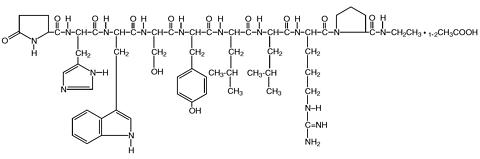
The clinical trial, initiated by Dr. Richard Bowen at the former Voyager Pharmaceutical Corporation, followed 109 women with mild to moderate Alzheimer's disease. Some were treated with the drug leuprolide acetate (Lupron Depot first above structure), used to treat cancer in men and severe endometriosis in women, and with an acetylcholineesterase inhibitor such as Aricept (second below structure), which improves mood in people with the condition but does little to slow memory loss. Others taking an acetylcholineesterase inhibitor received low-dose Lupron alone or a placebo.


Study: Prostate cancer drug stabilizes memory loss for a year in women with Alzheimer's disease

Wednesday, April 15, 2015

Researchers uncover mechanism by which anti-inflammatory processes may cause Alzheimer's

Inflammation has long been studied in Alzheimer's, but in a counterintuitive finding reported in a new paper, University of Florida researchers have uncovered the mechanism by which anti-inflammatory processes may trigger the disease.

This anti-inflammatory process might actually trigger the build-up of sticky clumps of protein that form plaques in the brain. These plaques block brain cells' ability to communicate and are a well-known characteristic of the illness.

The finding suggests that Alzheimer's treatments might need to be tailored to patients depending on which forms of Apolipoprotein E, a major risk factor for Alzheimer's disease, these patients carry in their genes.

The researchers have shown that the anti-inflammatory protein interleukin 10, or IL-10, can actually increase the amount of apolipoprotein E, or APOE, protein -- and thereby plaque -- that accumulates in the brain of a mouse model of Alzheimer's, according to the study, published online today (Jan. 22) in the journal Neuron.

Tuesday, April 14, 2015

Eribulin effective in metastatic breast cancer, researchers find

An  international research team, led by Dartmouth's Peter A. Kaufman, MD, published findings in the Journal of Clinical Oncologydemonstrating that, while not superior to capecitabine, eribulin is an active and well-tolerated therapy in women with metastatic breast cancer (MBC) receiving this therapy as a first, second, or third line chemotherapy regimen. Additionally, these patients had all been previously treated with both an anthracycline and a taxane in either the adjuvant or metastatic setting. This study is the first to address the use of eribulin early in the course of metastatic breast cancer, specifically either the first or second line setting
 Eribulin.svg

"Additionally, it is of great interest that subset analysis suggests that eribulin may be particularly active and effective in triple negative MBC, which is known to be an aggressive subset of breast cancer, and one associated unfortunately with a particularly poor prognosis overall," said Kaufman.
Eribulin has been approved in numerous countries in the third line or latter setting for the treatment of MBC, and is increasingly widely used. It is the only chemotherapeutic agent shown to have a survival benefit for patients with MBC in the third line or latter chemotherapeutic setting. Given previous research findings, and now findings from this large international trial, there has been great interest from oncologists and other clinicians in the potential impact that eribulin might have earlier in the course of MBC.
This phase III randomized trial assigned 1,099 women who had previously been treated with an anthracycline or a taxane to either eribulin or capecitabine as their first, second, or third line chemotherapy for advanced MBC. Stratification factors were human epidermal growth factor receptor-2 (HER2) status and geographic region. Coprimary endpoints were overall survival and progression-free survival.
"While there is not a statistically significant difference in overall survival with eribulin in comparison to capecitabine, the median overall survival seen with eribulin is in fact numerically slightly superior to that of capecitabine," explained Kaufman.

Ref : http://jco.ascopubs.org/content/early/2015/01/20/JCO.2013.52.4892

Monday, April 13, 2015

Can coffee protect against malignant melanoma? Study looks at trends .............


Both epidemiological and pre-clinical studies have suggested that coffee consumption has a protective effect against non-melanoma skin cancers. However the protective effect for cutaneous melanoma (malignant and in situ) is less clear, according to a study published January 20 in the JNCI: Journal of the National Cancer Institute.

To determine if there is an association between coffee consumption and risk of cutaneous melanoma, Erikka Loftfield, M.P.H., of the Division of Cancer Epidemiology and Genetics, National Cancer Institute, and colleagues used data from the NIH-AARP Diet and Health Study. Information on coffee consumption was obtained from 447,357 non-Hispanic white subjects with a self-administered food-frequency questionnaire in 1995/1996, with a median follow-up of 10 years. All subjects included in the analysis were cancer-free at baseline, and the authors adjusted for ambient residential ultraviolet radiation exposure, body mass index, age, sex, physical activity, alcohol intake, and smoking history.

Overall, the highest coffee intake was inversely associated with a risk of malignant melanoma, with a 20% lower risk for those who consumed 4 cups per day or more. There was also a trend toward more protection with higher intake, with the protective effect increasing from 1 or fewer cups to 4 or more. However, the effect was statistically significant for caffeinated but not decaffeinated coffee and only for protection against malignant melanoma but not melanoma in-situ, which may have a different etiology.

The researchers point out that the results are preliminary and may not be applicable to other populations, and therefore additional investigations of coffee intake are needed. However, they conclude that "Because of its high disease burden, lifestyle modifications with even modest protective effects may have a meaningful impact on melanoma morbidity.
Ref : http://jnci.oxfordjournals.org/content/107/2/dju421

Friday, April 10, 2015

Kinex Pharmaceuticals doses first actinic keratosis patient with KX2-391 ointment

Kinex Pharmaceuticals announced today that the first actinic keratosis patient has been dosed with KX2-391 ointment in Austin, Texas.

KX2-391

KX2-391 (KX01), a dual Src/pre-tubulin inhibitor, is a small molecule drug that has excellent skin penetration when formulated as a topical ointment. The pre-tubulin activity causes hyperproliferating cells to undergo apoptosis due to a disruption of the tubulin dynamics needed for these cells to pass through mitosis. Actinic Keratosis (AK) is a very common skin disease that appears as rough, dry, scaly patches or growths that form on the skin when the skin is badly damaged by ultraviolet rays from the sun or through indoor tanning. Ultraviolet rays can cause damage to DNA and RNA leading to keratinocyte mutations and uncontrolled growth. Reduction of the tumor suppressor p53 level has also been implicated in the unchecked proliferation of dysplastic keratinocytes. KX2-391 also potently increases p53 levels during unchecked proliferation thereby potentially addressing the dysregulation of p53 in AK.

Dr. Rudolf Kwan, Chief Medical Officer of Kinex Pharmaceuticals commented "Actinic Keratosis is a common dermatological problem with long term overexposure to the sun's ultraviolet light. If left untreated, AK can progress to squamous cell carcinoma, a type of skin cancer. Once a patient is afflicted with AK lesions, they tend to continue getting new AK lesions for life. We are hopeful to offer a new treatment option for these patients."